By Wacuka Maina
A day after Siasa Place hosted a public baraza on the 16th of February 2026 at the NCCK Grounds opposite the west market, where citizens from Kiplombe Ward in Uasin Gishu County gathered to air their grievances about governance, something remarkable happened. Instead of waiting for promises from podiums and press conferences, community groups and local CBOs, namely BUDA CBO, SHOFCO, RISING SHUJAAZ, MWANZO PWD, WRITAFRICA, DAYSTAR WIDOWS, MWANZO SEC, INTEGRATED REFUGEES, and OLD UGANDA ROAD GROUP, quietly gathered again this time not to complain, but to organize.
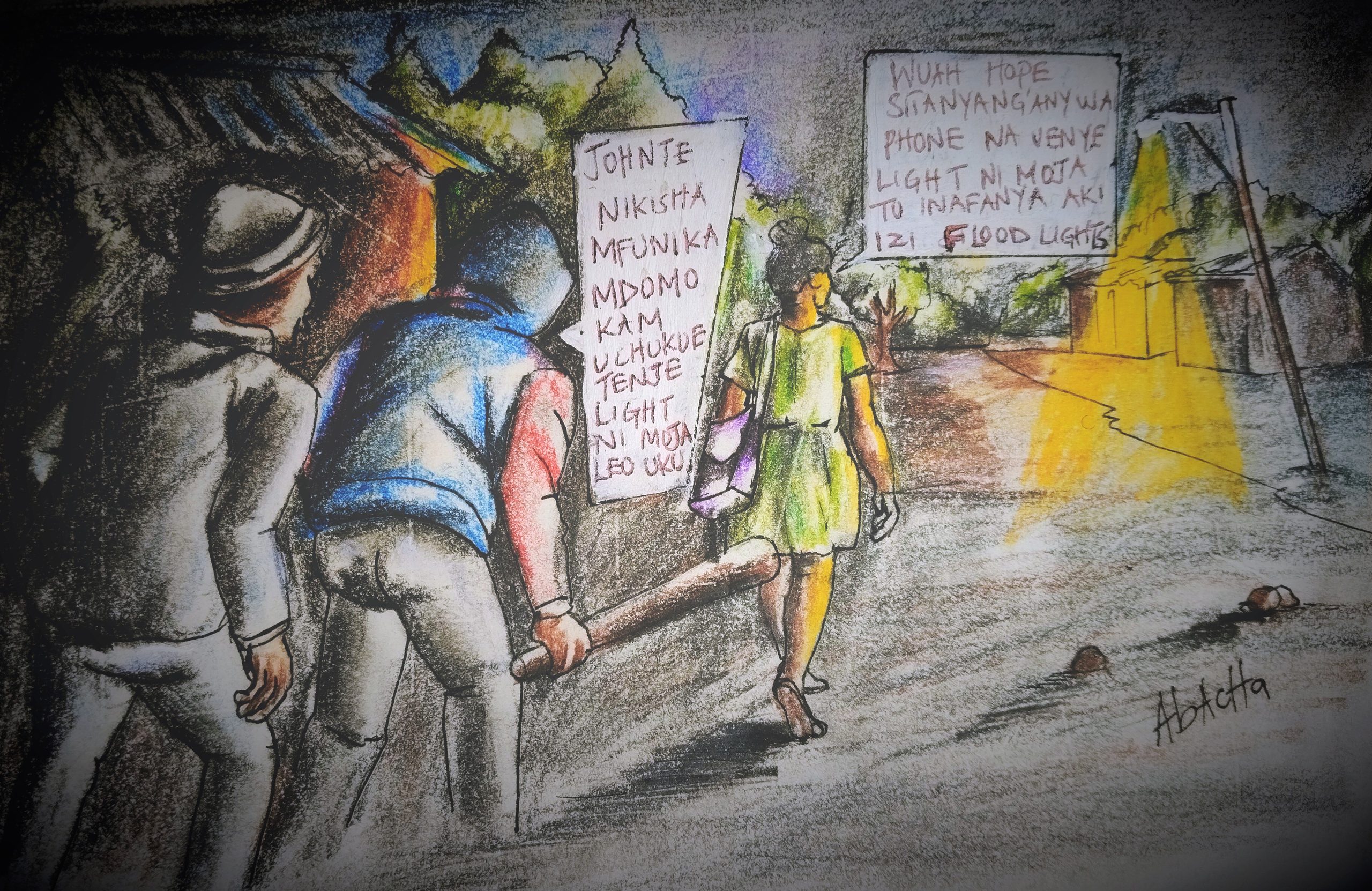
In a modest meeting at the NCCK hall they agreed that the community needed a united voice. A chairman, secretary, and treasurer were elected, forming a small but determined network. Their first agenda was simple to list the problems people actually face on the ground. The room quickly filled with concerns such as non-functional traffic lights, insecurity, children struggling to stay in school, lack of support for people living with disabilities, and the endless bureaucratic hurdles surrounding IDs and birth certificates.
But one issue struck the room harder than the rest: education. Government officials have repeatedly assured the public that the transition to Grade 10 under the new education system means “no child will be left behind.” Yet as the group compared notes, that promise began to unravel. Members identified at least seven students in the area who had not joined Grade 10, not because they lacked ambition or ability, but simply because their families could not afford the school fees.
Faced with this reality, the community decided to act. Instead of debating endlessly, the network voted to fully sponsor two students, one male and one female” Mercy from Buda CBO suggested as a starting point. A fundraising drive began immediately, with a target of KSh 120,000, to be shared between the two learners. The very people who had gathered in the room opened the kitty with KSh 3,000, a modest but powerful gesture of commitment.
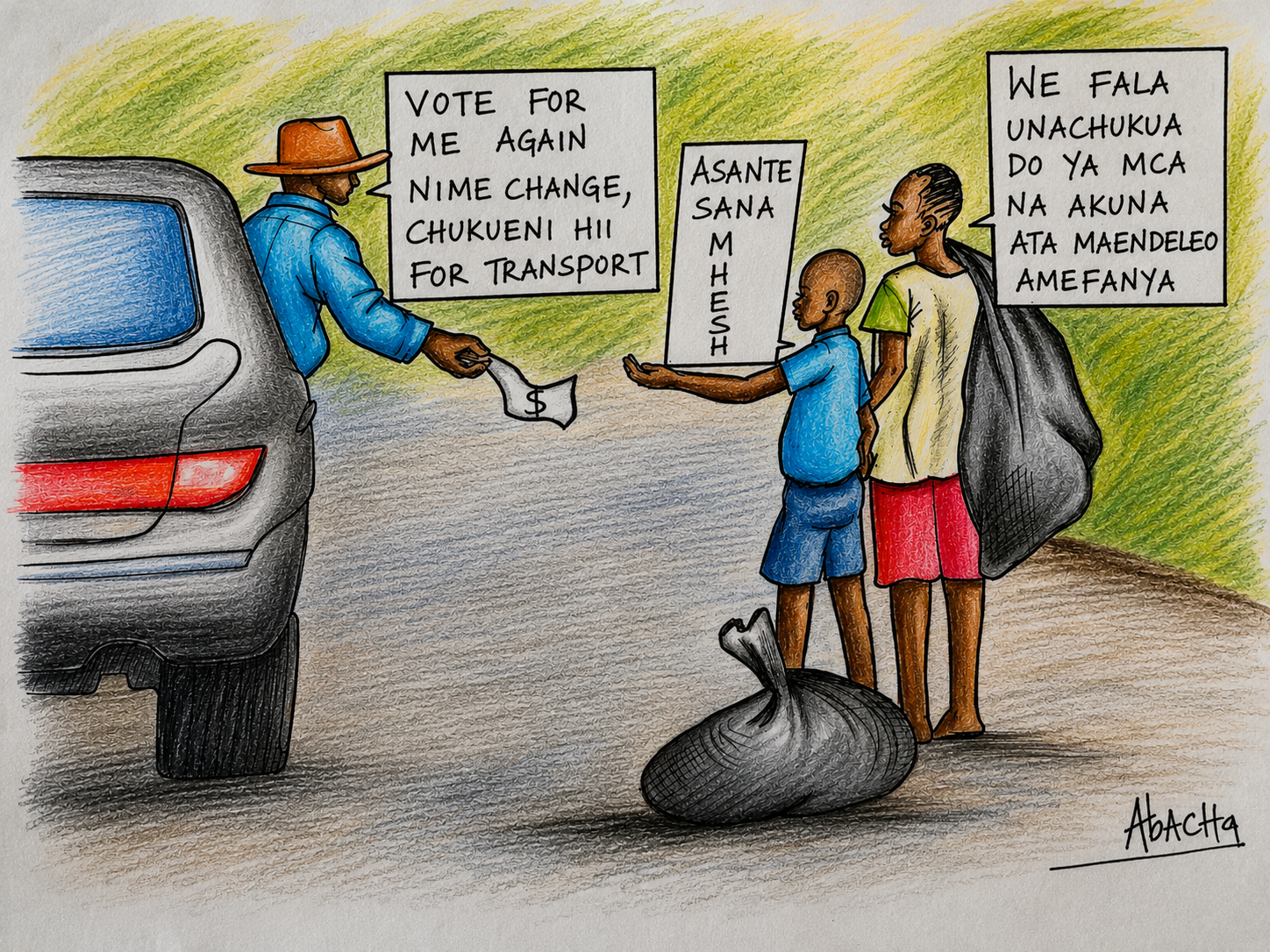
In Kiplombe, the community is doing what it can one meeting, one contribution, one child at a time. But the quiet determination of that room also exposes a troubling truth: sometimes the biggest gap in governance is not policy, but the distance between what is announced and what is actually happening on the ground.