By: Yusuff Baishe
In the coastal heart of Lamu, the Lamu Arts and Theatre Alliance (LATA) stands as a beacon of youth-led advocacy, consistently using creativity to raise awareness on issues that define the lives of local residents.
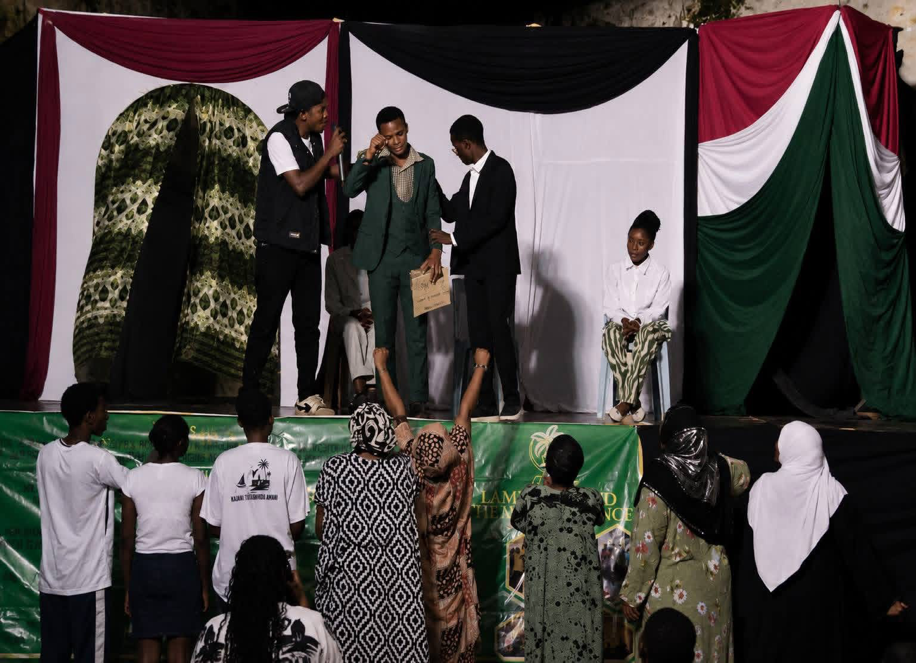
On June 20, 2026, the Alliance took a bold step forward by hosting a live performance at the historic Lamu Fort, supported by WritAfrica. The event was envisioned as a vital bridge between the community and those in power; consequently, invitations were extended not only to all Lamu County government departments but also to a wide array of key stakeholders across the region, all invited to engage with a production poignantly titled “HOPE.”
The play was designed to be a mirror for society, specifically tackling the complexities of governance and public accountability. However, as the performance unfolded, a troubling silence emerged not from the stage, but from the front row. Despite the importance of the dialogue, not a single representative from the County Government attended, nor was anyone sent in their stead. The seats reserved for the county’s leadership remained hauntingly empty.
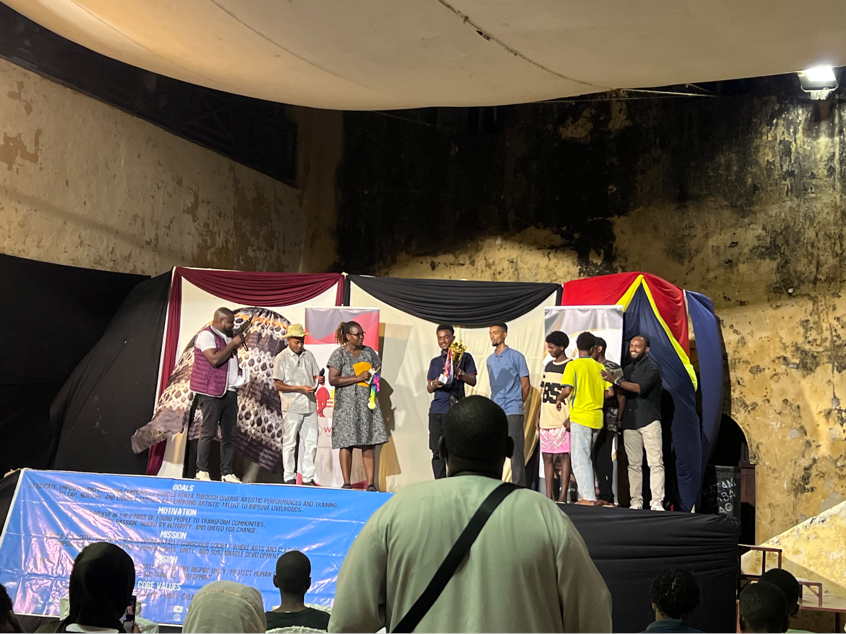
Immediately after the play, Mr. Said Hassan, the leader of LATA, took the stage to address the audience. While he thanked those who had shown up, he could not hide his disappointment. He openly expressed his heartbreak regarding the absence of the invited county officials, noting that their failure to attend was a significant blow to the spirit of the youth who had worked tirelessly to facilitate this dialogue. His words resonated deeply, highlighting the disconnect between the efforts of the youth and the priorities of those in leadership.
The disappointment was further echoed by Juliet Atellah, the Programs Manager at Siasa Place, who was given the floor to speak. She did not shy away from the issue, expressing profound regret and frustration regarding the blatant absence of the County Government representatives. Her sentiments echoed the feelings of many residents who felt that the very leaders who should be at the forefront of such governance discussions were choosing to remain detached from the community’s concerns.
This void, however, stood in stark contrast to the presence of security personnel. Mr. Omar, representing the County Commissioner, was in attendance, alongside the local Officer Commanding Station (OCS) and a contingent of police officers who joined the citizens in the audience.
The tension of the day culminated after the play. Following the presentation of awards to youth who had succeeded in a football tournament earlier that day, the OCS was invited to the stage. Seizing the opportunity, the leadership of LATA posed a poignant question to the officer regarding public concerns over police conduct. In his response, the OCS maintained a firm stance, stating, “Perhaps in other countries, but Kenya has not reached that point,” before suggesting that the production should focus on providing concrete solutions to societal challenges.
This event at Lamu Fort serves as a critical reflection point. When the doors of communication are left open by the youth, but the leaders choose to leave their seats vacant, the gap between governance and the governed widens. While the arts provide a stage for introspection, the true progress of Lamu relies on both the artists who dare to ask the hard questions and the leaders who are willing to show up, listen, and engage in the dialogue.