By Christopher Omondi
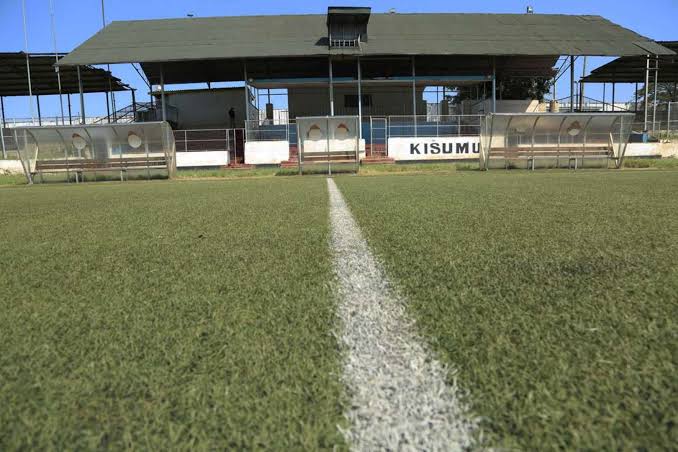
The long-awaited renovation of Moi Stadium in Kisumu into a 10,000-seater, FIFA-standard facility is facing serious setbacks. Community members are increasingly vocal about their frustrations regarding the apparent inactivity at the site, which has remained dormant for months following its official handover.
The Kisumu County Government handed over the stadium to the contractor for an ambitious KSh 800 million upgrade project, financed by the national government and overseen by the Ministry of Defense. Initially slated for completion within 12 months, league matches have been temporarily relocated to the Jomo Kenyatta International Stadium, while training sessions have shifted to venues such as Jaramogi Oginga Odinga Sports Complex.
However, locals who pass by the stadium daily express their deep concerns about the lack of visible progress. For football fans and local vendors, the prolonged delay is not just inconvenient but infuriating. Peter Oduor, a frustrated football fan and vendor, laments, “They told us the stadium would be closed for one year and we’d get a modern facility. But for weeks now, there’s no contractor, no machines, nothing. We moved our businesses to accommodate the construction. What are we supposed to do now?”
Akinyi Wanga, a resident of Nyalenda, shares similar sentiments: “We are excited about the stadium upgrade, but we worry it might end up like other stalled projects. Our youth need a dedicated place to play. Currently, everything is scattered across different facilities, making it chaotic to manage.”
David Omondi, Coordinator of Kisumu Sports and Infrastructure Watch, a community-based organization that monitors public projects, asserts, “We wholeheartedly support the upgrade to a FIFA-standard stadium, Kisumu deserves it. However, we demand transparency from the authorities. If there are procurement delays, funding issues, or design reviews, the Ministry and County must keep us informed. The community has already adjusted their matches and training to other venues. Regular updates and a clear timeline are crucial for rebuilding trust. Additionally, we insist that local contractors and youth be given opportunities in the construction process.”
Despite the mounting concerns, government officials maintain that the project has not been abandoned. Dr. Raymond Omollo, Principal Secretary for Internal Security and National Administration, assured the public during a joint inspection with Medical Services Principal Secretary Dr. Ouma Oluga that work is ongoing under the supervision of the Ministry of Defense.
According to PS Omollo, the stadium is scheduled for completion by December 2026, with all necessary processes being followed to guarantee quality and value for money. He notes, “Large infrastructure projects often have mobilization phases that aren’t visible to the public, including the final designs, approvals, and site preparations before major civil works commence.”