By Wacuka Maina
The meeting was scheduled for 9 a.m. 17th February 2026 but by 10:30 the plastic chairs in the NCCK hall were still only half full.
At the edge of the tent, a boda boda rider leaned against his motorbike, helmet dangling from one hand. He hadn’t signed the attendance sheet yet. Instead, he asked the question that had quietly become tradition.
“Leo kuna facilitation?”
A volunteer Milan Akinyi from Kilimani BUDA CBO hesitated but answered explaining that there was tea and lunch. The rider shook his head, stepped back, and didn’t sit.
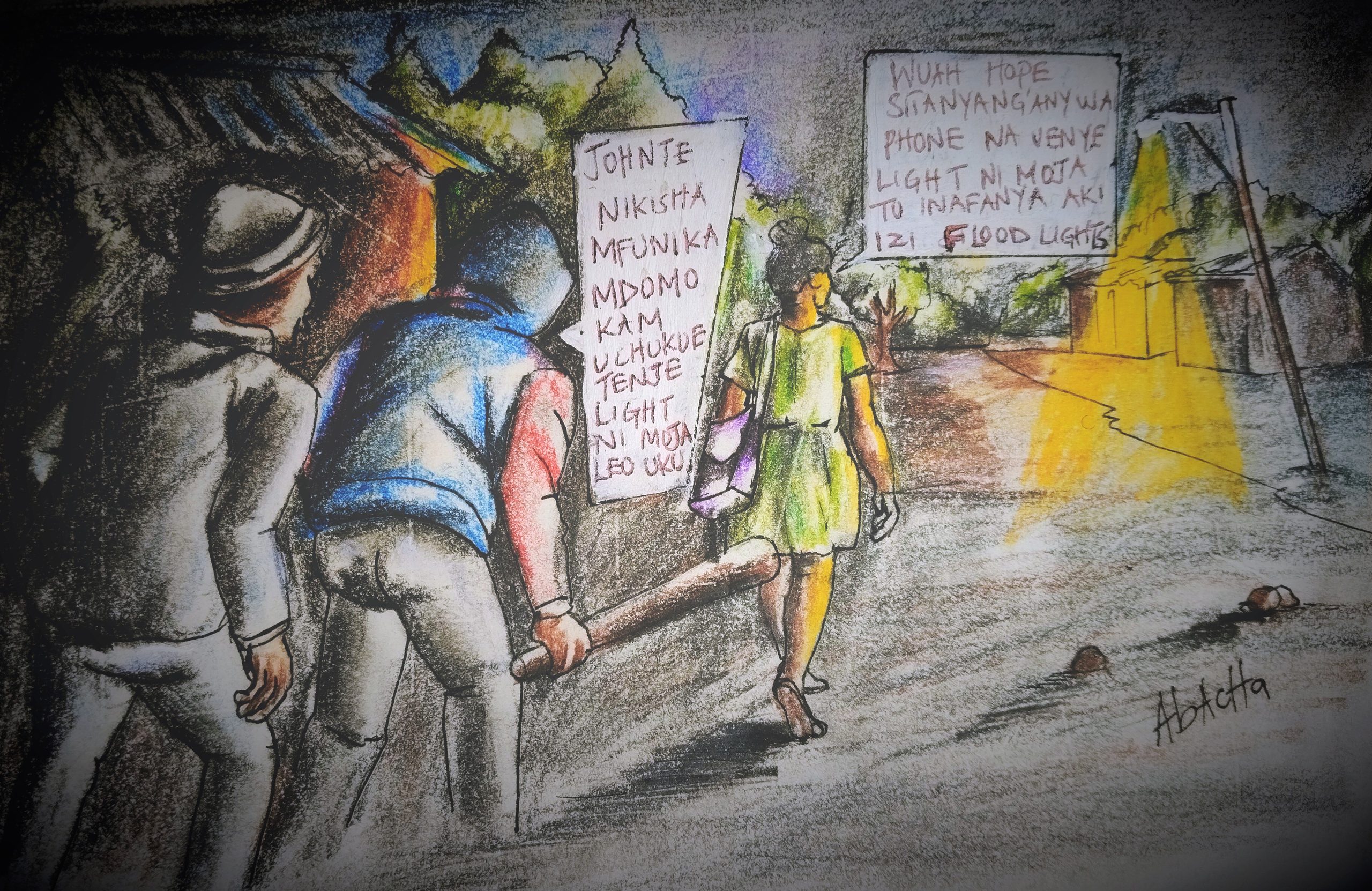
Inside the hall the Community Baraza organized by Kilimani BUDA CBO with Siasa Place and other stakeholders was meant to be a serious forum on community issues such as drainage failures, lack of streetlights, access to birth certificates and IDs But before any of that could begin, the people gathered wanted to negotiate something else entirely payment.
A group of women seated near the front spoke in low but firm tones. One of them, a domestic worker, explained her frustration openly.
“I left work today. If I don’t go, I don’t get paid. Now I come here, I talk, and I go home with nothing?”
Another man chimed in from the back, louder this time. “Public participation is not free. Serikali pays. Why not here?”
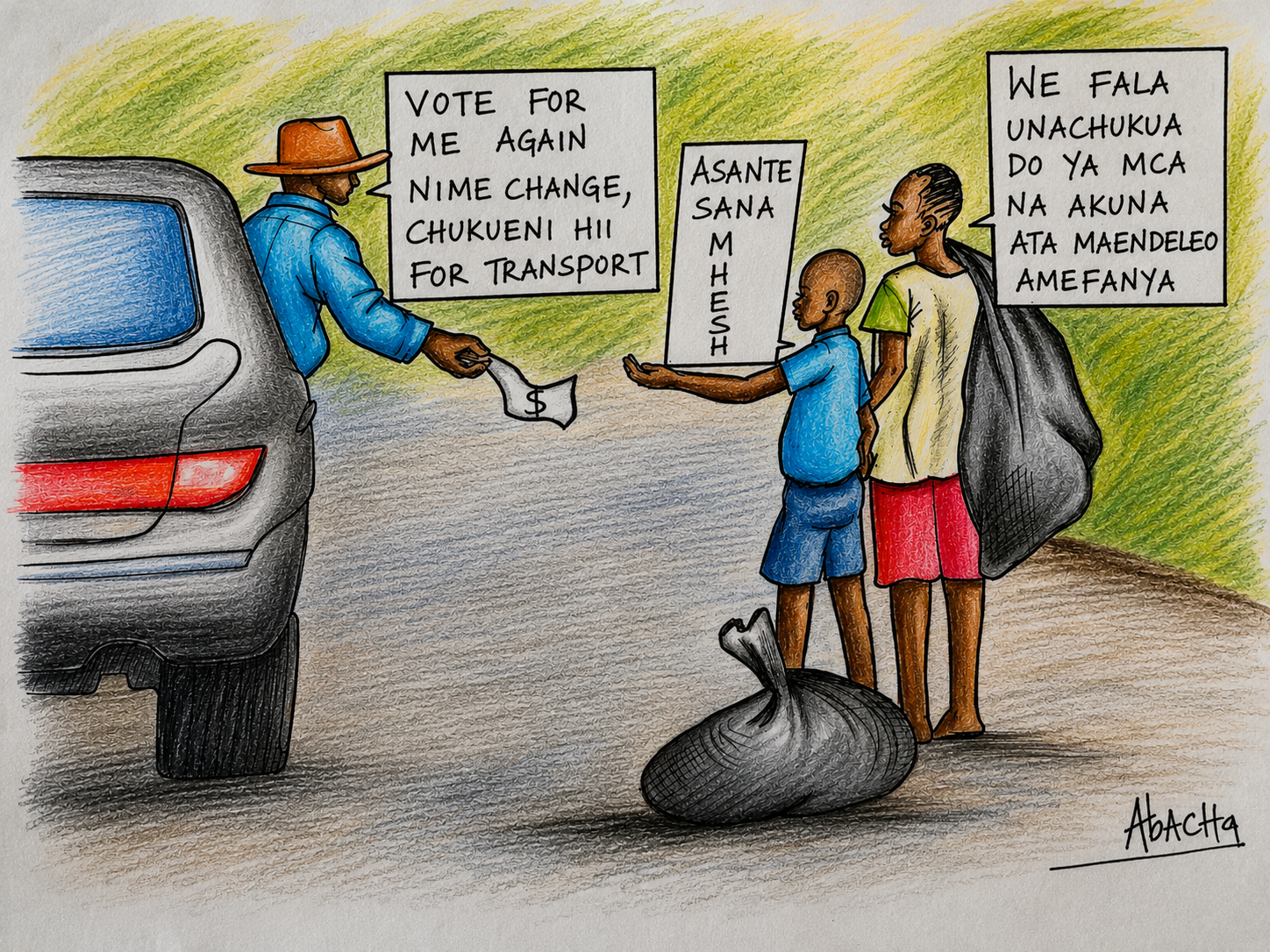
The irony hung in the air. This was not a government forum. This was citizens, trying to organize themselves, to speak to Uasin Gishu county government officials to influence change from the ground up. But the lines had blurred. Years of “facilitated” barazas and paid participation in political meetings had created an expectation one that now followed even grassroots efforts.
When lunch was finally served, the tension did not ease at all. A small crowd gathered around the food station.
“Hii nyama ni kidogo sana,” someone complained, lifting the lid of the serving tray. Laughter followed, but it was edged with dissatisfaction.
For the organizers, it was a quiet unraveling. What was meant to be civic engagement had become transactional negotiation. Attendance was no longer driven by urgency of issues, but by the promise which was assumed of compensation.
Those who had issues spoke and engaged very well but cautiously, some disengaged, others visibly counting what the day had cost them rather than what it might achieve.
After the meeting, one of the BUDA coordinators stood aside, watching people disperse.
“This is how the society looses, people want to be bribed to participate on activities that would help them” Mr. Kibore noted. This shows that
When citizens begin to see participation as a paid activity rather than a civic duty, the foundation of accountability starts to crack. Voices that should be consistent become conditional. Only those who can afford to show up for free or those who are paid to show up remain in the room. And that has consequences. It means that during critical public participation forums or chief’s barazas, decisions may no longer reflect the true needs of the community, but the interests of a paid few. It creates space for manipulation, where leaders can selectively “mobilize” support rather than genuinely earn it.
For a community like Kilimani, where citizens hold the power to elect leaders and demand accountability, this shift is dangerous. It slowly erodes the idea that governance belongs to the people.
Because if showing up to speak, question, and challenge leadership becomes something that must be bought, then democracy itself begins to look less like a right and more like a transaction and in that kind of system, the loudest voice is no longer the most honest one.
It is simply the one that was paid to be there.