By Christopher Omondi
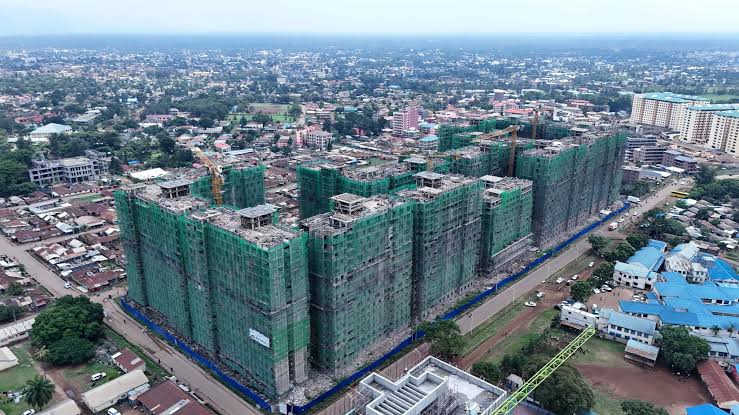
The once renowned Lumumba Estate in Kisumu is undergoing a significant transformation. Through the Lumumba Affordable Housing Project, 15 modern residential blocks are replacing the aging estate, each soaring 17 stories high and delivering a total of 2,348 housing units.
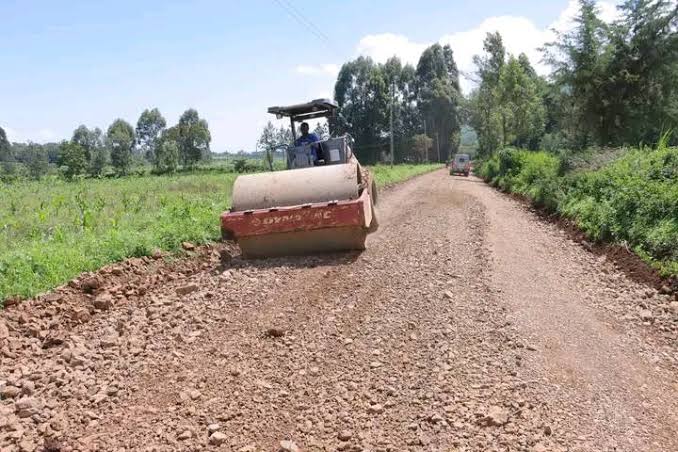
As the project enters its final phase, extensive work is underway, including snagging; testing of water, electrical, and drainage systems; asphalt paving; street lighting; landscaping; and final inspections for certification and occupation permits, as reflected in reports from government officials.
With Kisumu’s growth and its new city status, the State Department for Housing and Urban Development asserts that this redevelopment is essential to meet the demand for “decent, dignified, and sustainable housing.”
For many who grew up in Lumumba, this change brings a wave of emotion. Amina Ochieng, a 42-year-old former resident, reflects, “Lumumba was home. We played in those open grounds; we knew every neighbor. It’s sad to see the old houses go, but my children deserve a safer place with proper water and lights. I hope the original tenants are prioritized when the new houses are allocated.”
Brian Otieno, a boda boda rider working near the site, adds, “The new buildings look great and will surely boost business. More people mean more customers. But I’m worried about the rent. If it becomes too expensive, where will the hustlers go?”
Grace Adhiambo, Program Coordinator for the Kisumu Housing Rights Forum, a community-based organization advocating for housing issues in informal settlements, emphasizes, “We welcome the scale and the mixed-income model: social, affordable, and market-rate units all in one place. This approach can reduce segregation. But delivery is only half the story. We urge the State Department to publish transparent allocation criteria, protect vulnerable tenants, and ensure that those displaced during demolition have a clear pathway back. Housing is not just about four walls; it’s also about the community networks and livelihoods that have thrived in Lumumba for decades.”
Dr. Raymond Omollo, Principal Secretary for Interior and National Administration, who recently visited the site, stated that, “Our role has been to ensure security coordination, protect public infrastructure, and maintain a stable environment so that construction can proceed without interruption. We are collaborating closely with the county government and community leaders.
The final inspections are currently underway; both county and national teams are committed to ensuring that the buildings meet all safety and quality standards before occupation permits are issued. This project is part of a broader vision to transform Kisumu into a modern, inclusive city.”