By Christopher Omondi
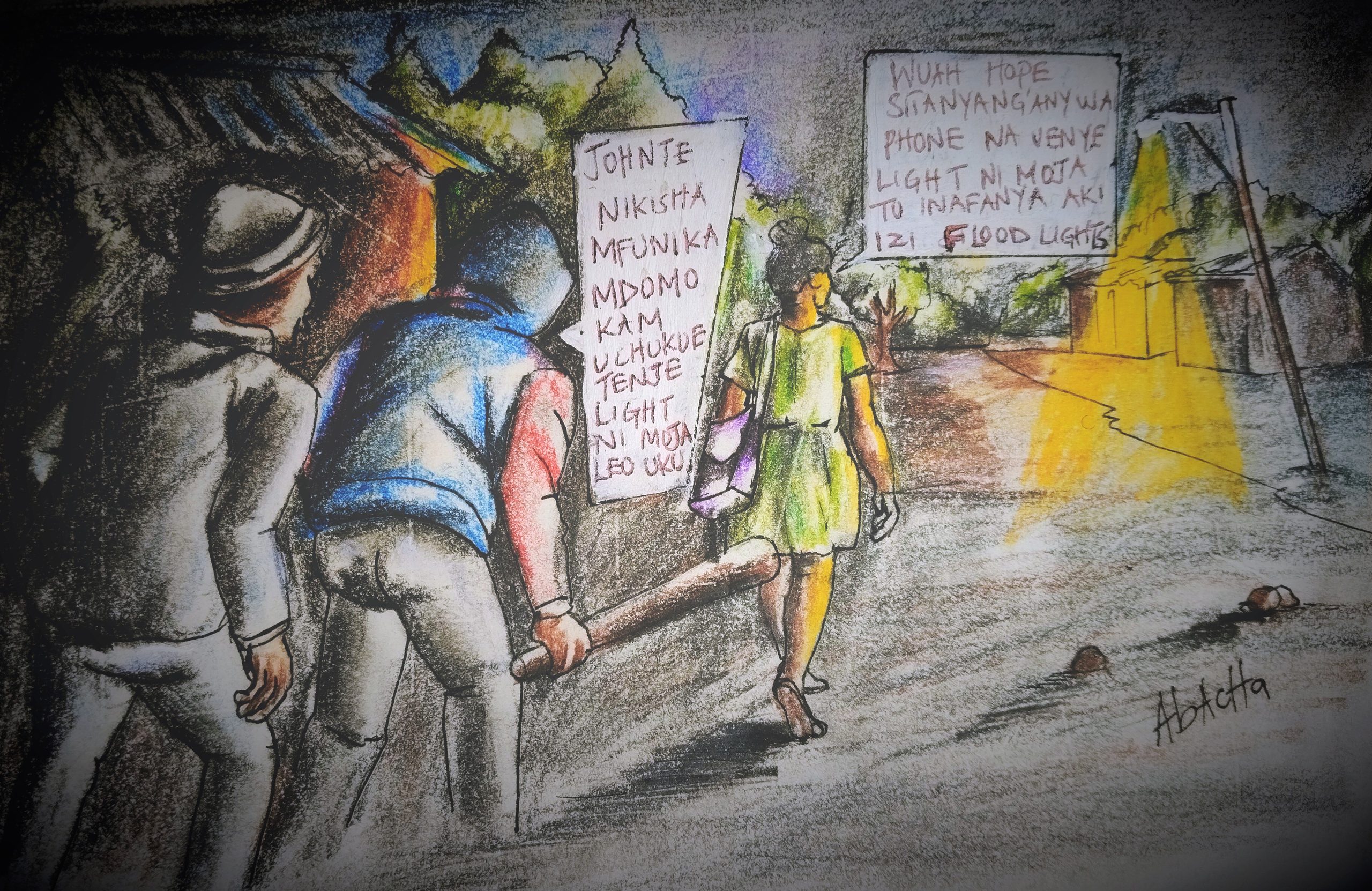
Public participation efforts in Manyatta B, Kisumu County, are currently hindered by significant challenges, chief among them being tokenism. This superficial engagement has led residents to feel sidelined and disillusioned with the process. They have voiced their concerns regarding the limited availability of development information on selected projects disseminated by government agencies. Furthermore, there exists a notable disconnect between government policies and the actual needs and priorities of the residents, exacerbating feelings of alienation.
“Firstly, fewer public participation meetings are arranged; in this area, on average, we have one meeting per year. Another problem is that the barazas take place in the same venue, and this leads to a lack of decentralized engagement forums, as it greatly affects attendance and representation from other areas. Residents from Ka Eli and Koyango in particular find it difficult to attend as most meetings are held in Kuoyo, which is quite far, and as a result, they are often overlooked or misrepresented. The Kisumu County Assembly recently partnered with the Kisumu County Development Trust to enhance public participation, improve civic education, and provide better access to information. However, these collaborative efforts have not translated into meaningful change as residents still struggle to get information on the Kisumu County development projects”. Stated Juma Adika
Moreover, marginalized groups, including individuals with disabilities and the youth, are frequently excluded from these discussions. This lack of inclusivity undermines the entire essence of public participation, rendering it ineffective. “The youth and people living with disabilities are mostly not represented, as these meetings are politically motivated and only positive feedbacks are welcomed. Accountability is also not achieved as government officials who are responsible for the controversial development projects don’t attend the meetings, depriving residents of essential updates on project implementation. The absence of these updates creates an environment of distrust and skepticism towards government initiatives.” Added a community member.
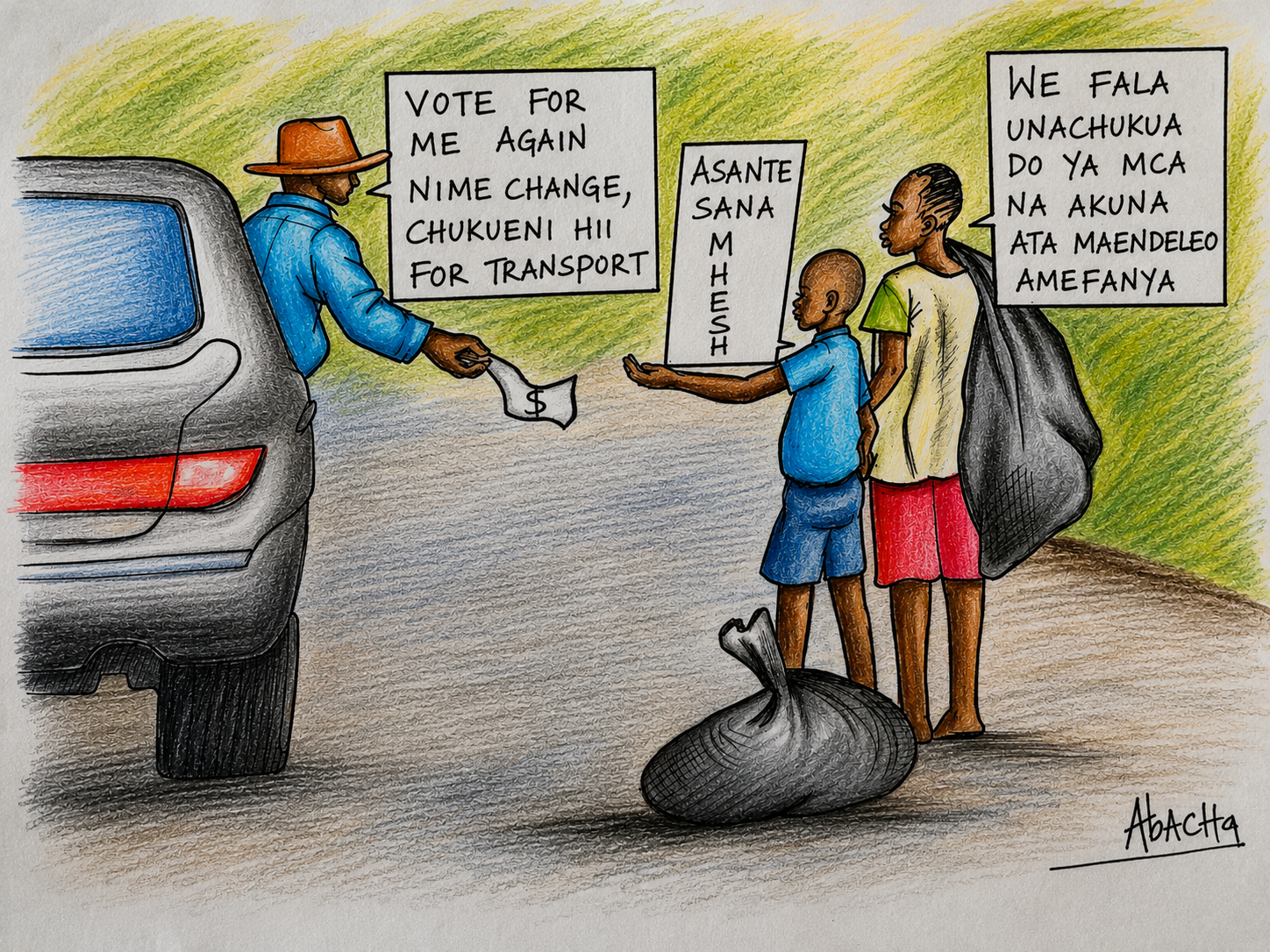
Adding to the complexity of this situation, many residents have expressed a demand for reimbursement for their attendance at public participation meetings. When no compensation is provided, participation is discouraged, as some residents view it as unworthy of their time. This expectation further complicates the already fraught dynamic between the government and its constituents.
In summary, the public participation framework in Manyatta B requires urgent reform. The community needs decentralized engagement forums, greater inclusivity for marginalized groups, enhanced transparency, and a genuine commitment from government representatives to take their concerns seriously. Only through meaningful engagement can trust be rebuilt, ensuring that the voices of all residents are effectively heard and valued.