By: Yusuff Baishe
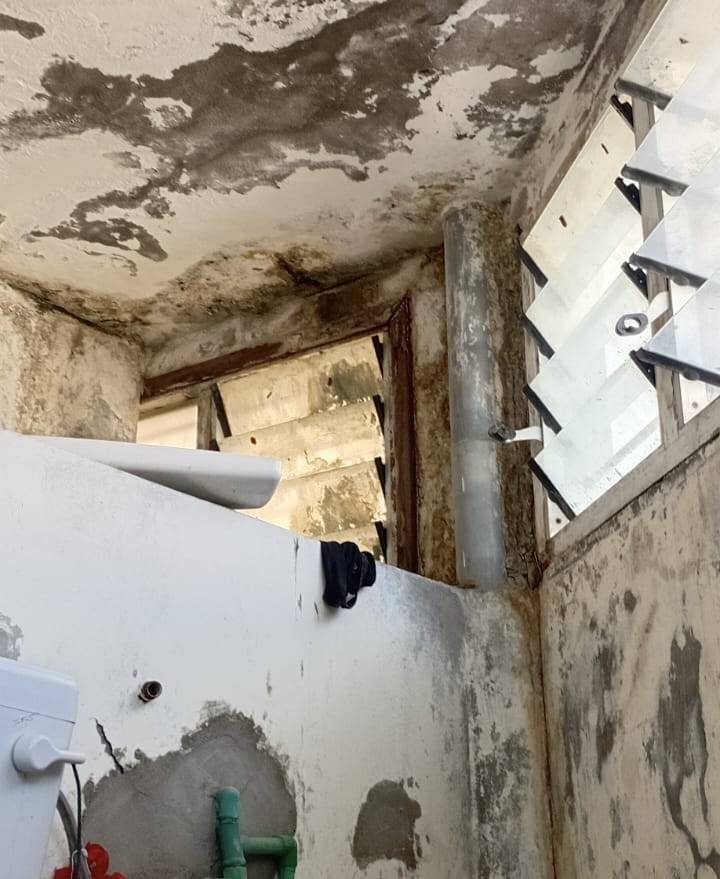
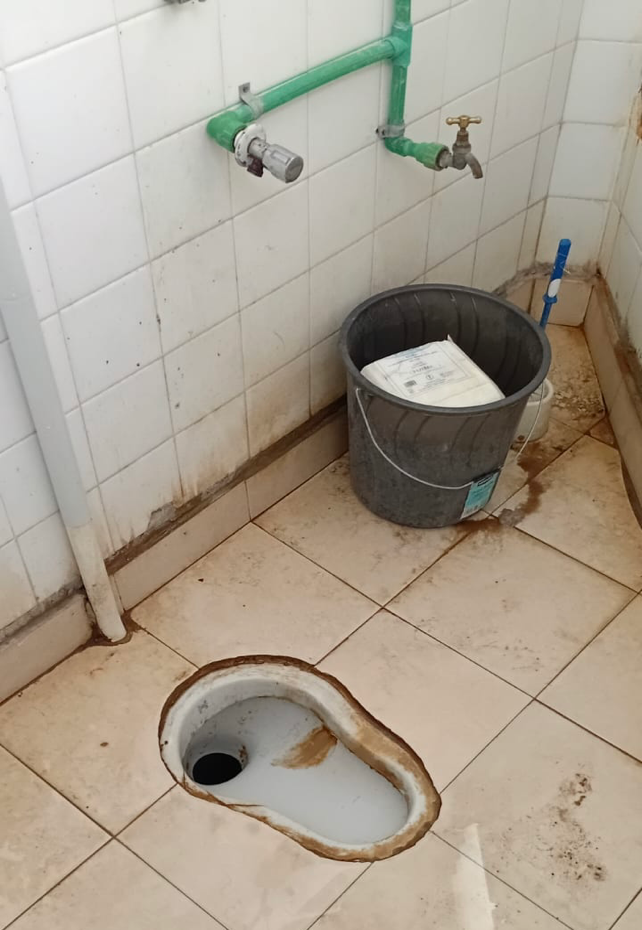
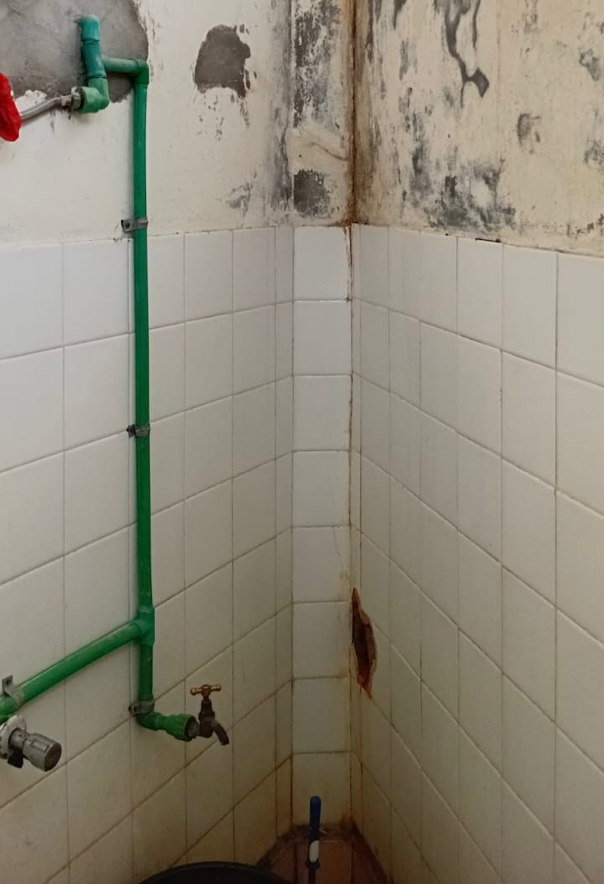
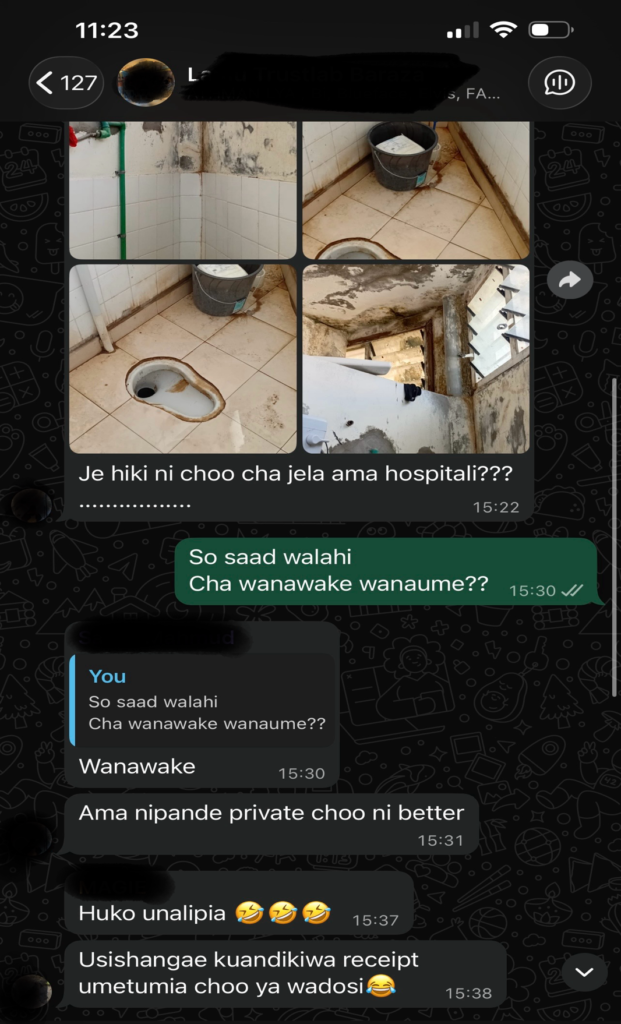
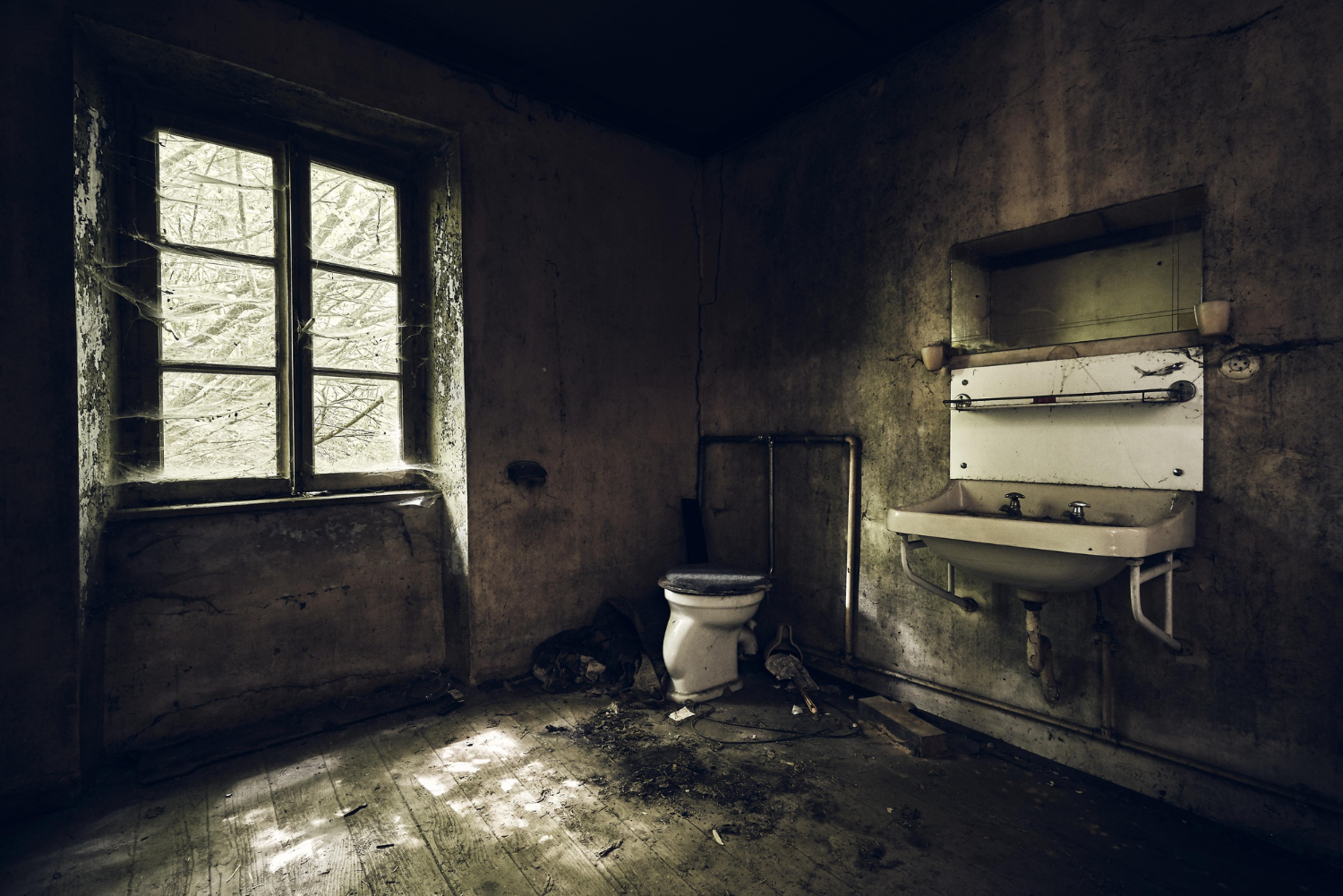
The state of public facilities at King Fahad Hospital became a hot topic of discussion during the WritAfrica forum held last week. The debate started again in the WhatsApp group after Salwa Mahmud, one of the mentees, visited the hospital and shared photos of the women’s toilets, expressing her deep disappointment.
“I could not use the toilet; my urge to urinate disappeared when I saw the dirt and the poor state of the toilet,” Salwa stated, highlighting how the filthy and broken state of the facility made it impossible for her to use it.
Salwa is not alone in her frustration. Many residents have voiced similar concerns. Hassan Omar, a resident of Amu, shared his experience when asked about the hospital’s toilets. “We might use the toilet if we are admitted to the ward, but for passersby, it is difficult. They are not in good condition. We use them because we have no choice, but it is easy to get sick because, although they try to clean, there are many germs inside the toilet,” he explained. While he acknowledges that efforts are made to clean them, the poor condition of the facilities remains a significant health risk.
For some, the experience is so repulsive that they would rather abandon their belongings than interact with the environment. Tauhida Lali shared a distressing memory from her time in the maternity ward.
“When I gave birth and was admitted to the maternity ward, I was allowed to bathe. When I entered the toilet with my assistant, my soap, nice lotion, and my clothes that were hanging on the door fell down. I did not look at anything; I told my assistant to leave them. Even when she replied that they did not touch the water, I told her not to touch them and to leave them alone. I lost the desire to bathe and went back to the ward,” she recounted.
The grievances go beyond just cleanliness; they also touch upon the structural design. Aisha Hajji, another resident, believes the problem is rooted in the construction of the toilets. “Especially our women’s toilets are poorly designed, with bad plaster and the general look is not satisfactory, let alone the dirt. Even if they clean them, they still look dirty!” she argued.
However, those tasked with maintaining these facilities tell a different side of the story. One cleaner defended the team’s efforts, stating, “We clean every day and use good detergents and chemicals for the toilet. Thank God we do our work, but you know our community; we know each other. They claim we don’t even use a broom!”
As the debate continues, the community is left questioning: are these truly public health facilities, or have they become a source of further illness for those seeking care?