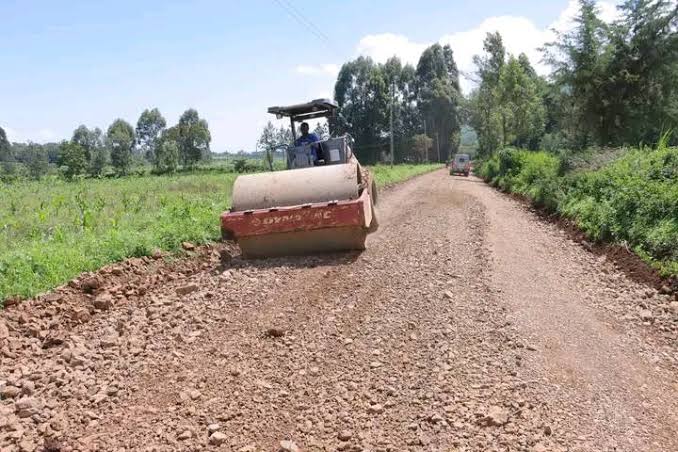
By: Wacuka Maina
In the quiet outskirts of Kimumu, a short stretch of road has earned a name that many people in Eldoret recognize instantly “Chips Road”.Chips Road is located in Kimumu area of Eldoret Uasin Gishu County, approximately 7 kilometers from Eldoret CBD. It is positioned about 800 meters from the Iten road. The name did not come from the county government, nor from a signpost. It came from the people. Every afternoon, the smell of frying potatoes rises from small roadside kiosks as vendors line the dusty path, turning the road into a lively marketplace of chips and smokies. But the same road that feeds many families also tells a story of neglect.
During the dry season, a cloud of red dust hangs permanently above the frying pans. The wind sweeps across the unpaved road and gently settles the dust onto the hot chips before customers can even take the first bite. Vendors joke that the seasoning is “Kimumu dust,” but behind the laughter is quiet frustration.
When the rains come, the story changes but the struggle remains. The road dissolves into mud and puddles. Churchgoers lift their trousers as they tiptoe across pools of brown water. Students heading to nearby schools such as Jim Jam academy Kimumu Primary and the Noble Academy hop from stone to stone, sometimes slipping and falling, their uniforms stained before the day even begins.
What makes the situation even harder to understand is what the road serves. Chips Road is not an isolated path. It connects homes, farms, three churches, and school places that form the daily life of the community. Yet the road remains rough and neglected. Mama Joan remembers the last election season clearly. The area’s Member of County Assembly Sarah Malel promised that the road would be improved. It appeared in her speech and in all her campaign conversations. But now, as months turn into years, the only thing improving on Chips Road is the vendors’ ability to cook and season with dust.
In a county like Uasin Gishu County whose capital Eldoret, is a major urban and commercial center. Such small but vital community roads should represent the everyday success of devolved governance. Instead, Chips Road has become an unwritten reminder of a different reality that sometimes governance promises stop at the campaign stage, while the people continue walking through dust and mud just to reach their hopes.