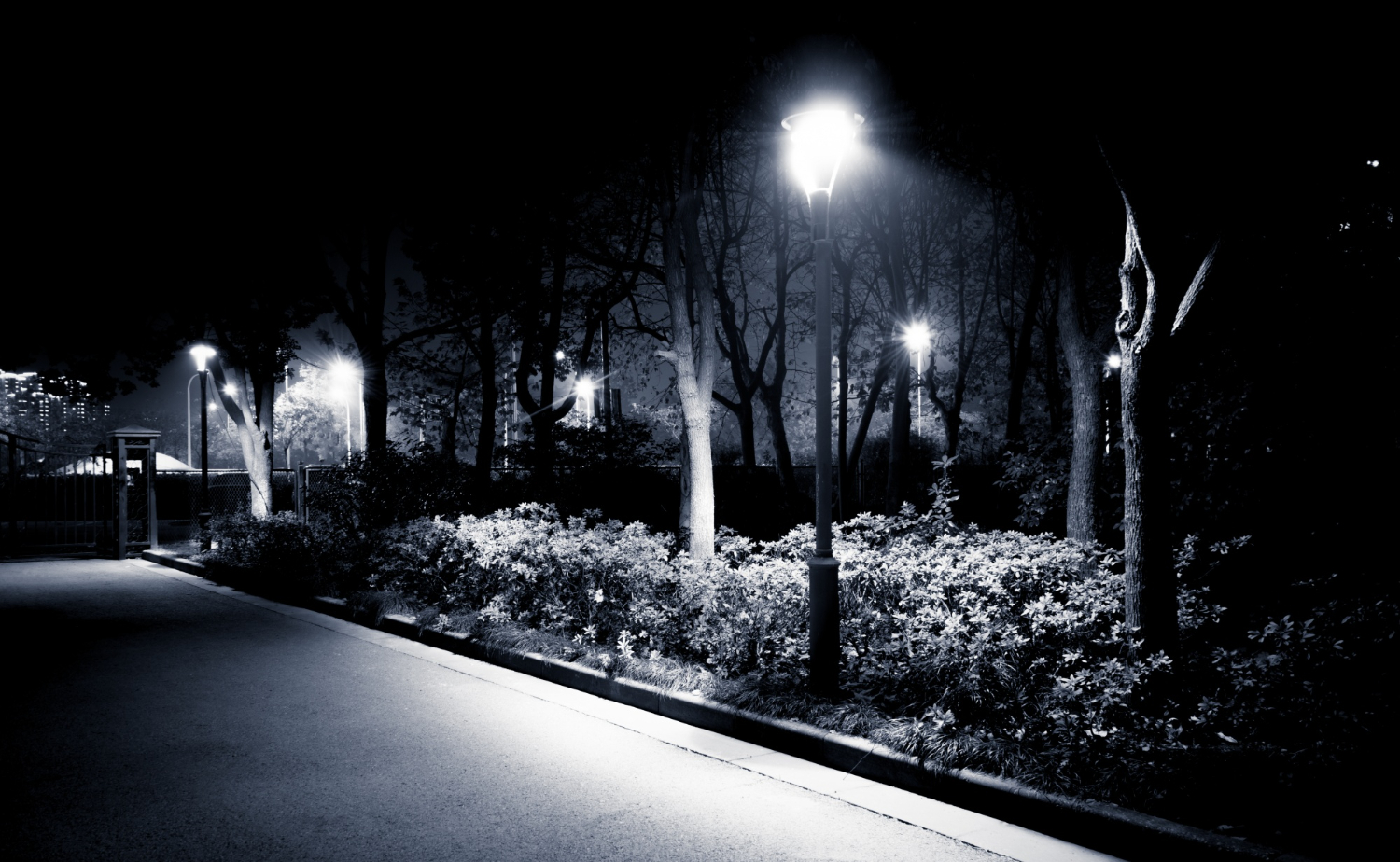
Ghost Town
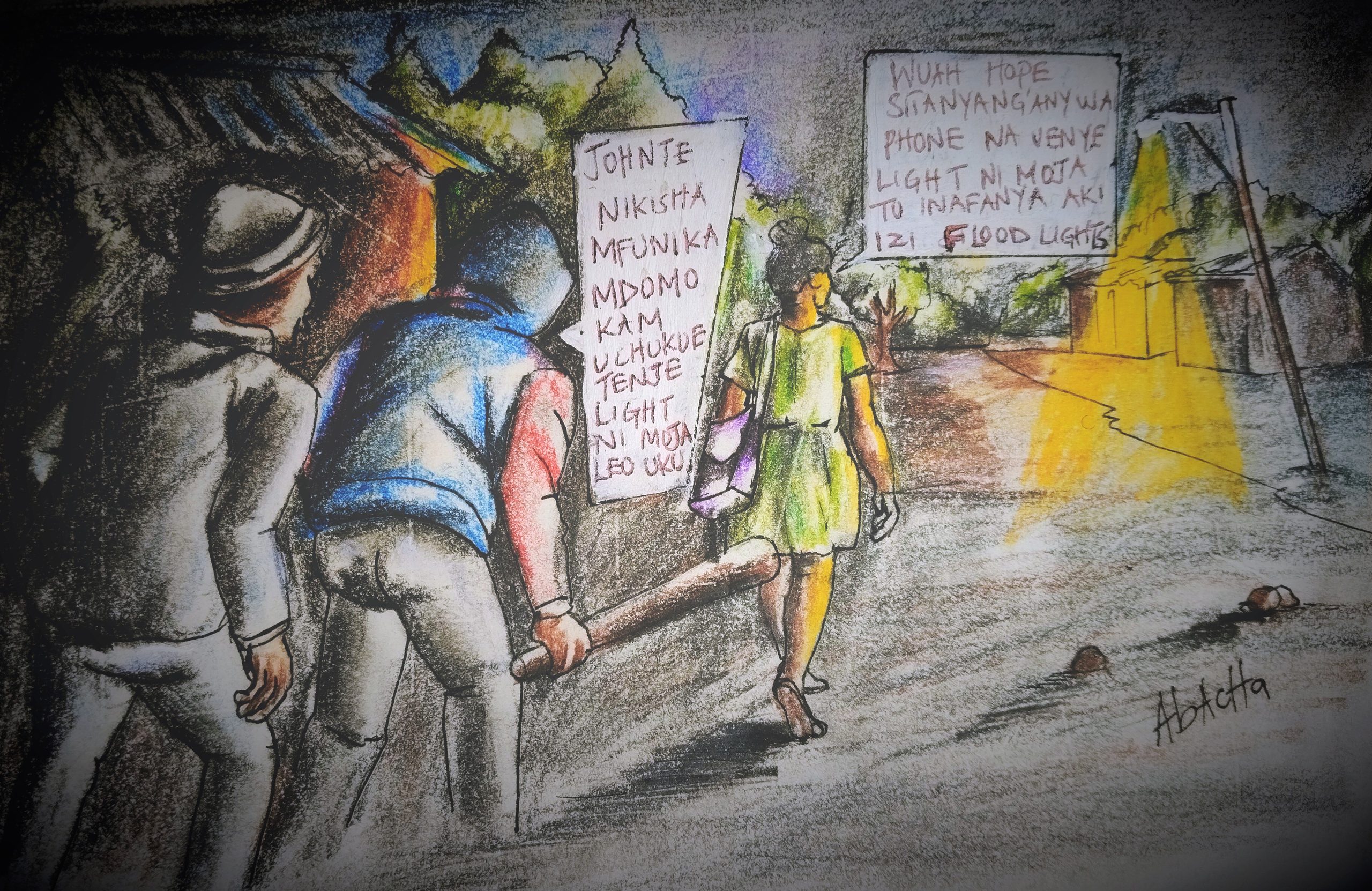
For the longest time, the streetlights along the Carwash–Kibos road in Kisumu have stood as silent structures of disappointment. Installed with the promise of improving safety, extending business hours, and making movement at night safer, they now serve as reminders of what happens when maintenance is forgotten and accountability fades.
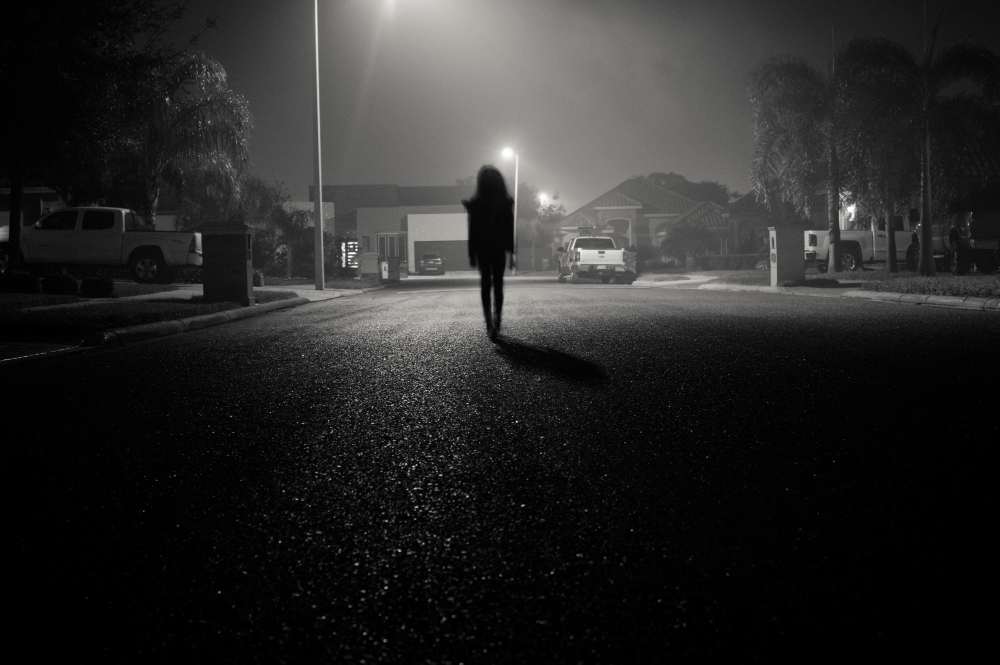
What should be a well-lit corridor of movement and economic activity often turns into a stretch of darkness by evening. Residents and road users say the situation has persisted for years, with little visible intervention. One of the most cited reasons behind non-functional streetlights in parts of Kisumu is unpaid electricity bills and weak maintenance systems, leaving infrastructure that was meant to serve the public abandoned in plain sight.
For many who depend on this route, the impact is not abstract, it is deeply personal and economic.
Evance Abila, a matatu tout along the route describes how the darkness affects daily survival in the informal transport economy. He explains that even when the day has been poor, workers still have to find their way home, often walking because transport becomes unreliable or unsafe once night falls. He notes that this is not just about inconvenience, but about survival in an economy where even a single day of lost earnings affects food for the table.
“Sometimes you haven’t earned anything during the day and you still have to walk home so that you can at least get something for supper from the little you have,” he says. “But you can’t even walk safely because the lights are not working. It puts your life at risk.”
For boda boda riders at Bridge Base, the situation is even more difficult. One rider, Jack Joma, says the streetlights are completely non-functional, forcing operators to make hard decisions about when to stop working.
“These streetlights are not functional at all,” he says. “We cannot carry customers to their homes at night because of fear of being mugged. It is not even pleasing going home knowing very well you haven’t hit your daily target, yet you still have to pay a loan for the bike and your family has to eat. But all this forces us to close early just to guarantee safety.”
Kondele Police Commander Daniel Ogechi acknowledges the concerns raised by residents but says the police have continued to stretch available resources to improve security along the corridor.
“We understand the concerns of residents and transport operators. Our officers extend patrols along the Carwash–Kibos road, including the Ogango area and surrounding neighbourhoods. We are doing everything within our capacity to maintain security, but public safety also depends on functional infrastructure, community cooperation and timely reporting of incidents,” he says.
The economic impact is clear. By around 8:30 PM, matatus along the route significantly reduce operations, and in many cases stop entirely, leaving boda boda riders as the main transport option; yet even they are forced to scale down activity due to insecurity and poor lighting. What should be peak business hours become dead hours, not because demand is low, but because safety cannot be guaranteed.
This situation exposes a deeper governance challenge that often goes unnoticed: infrastructure without maintenance is as good as no infrastructure at all. Streetlights are not just physical installations; they are tools of safety, economic extension, and urban planning. When they fail, entire livelihoods are affected; transport workers, small traders, night businesses, and ordinary residents who simply want to move safely.
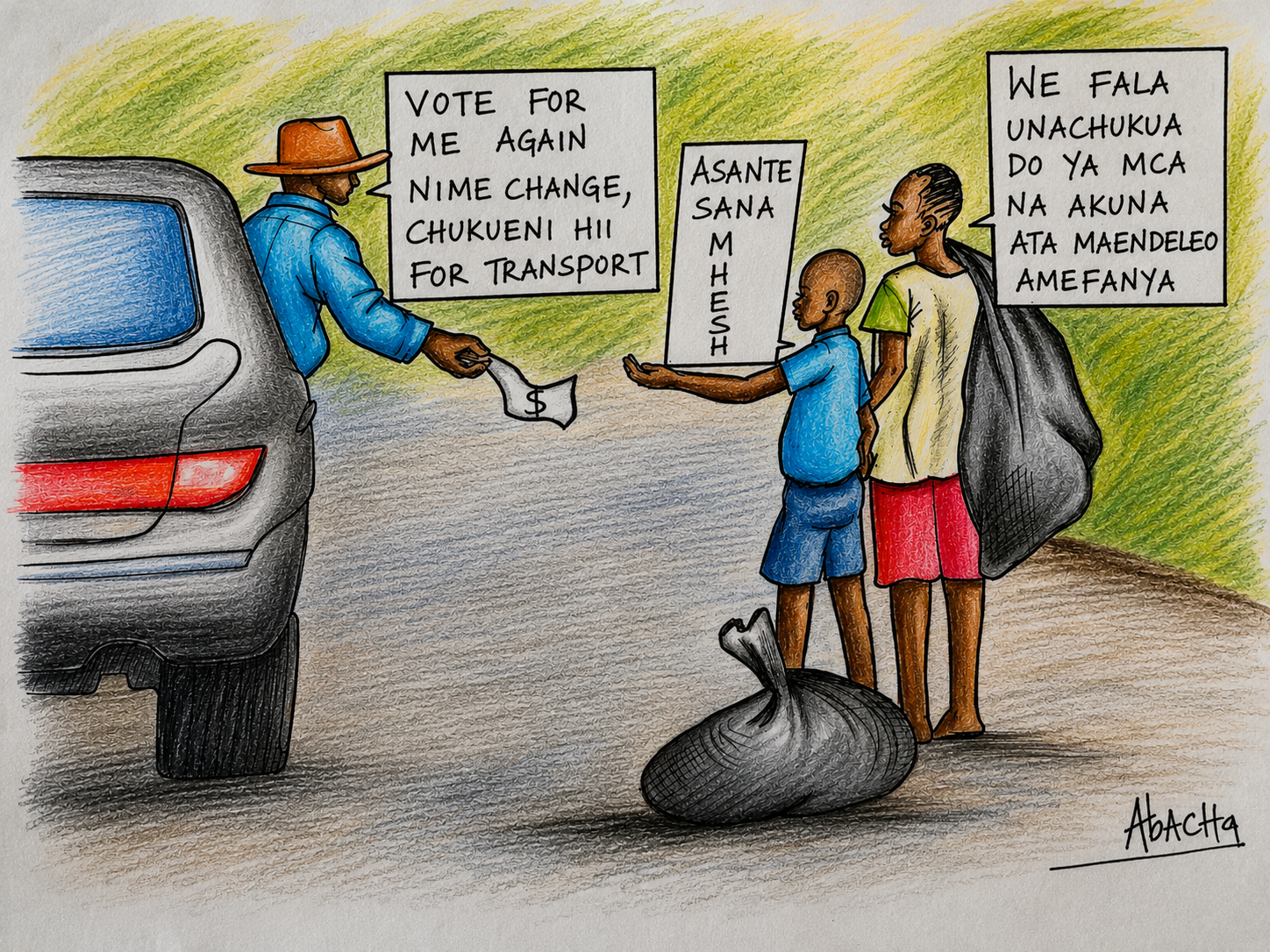
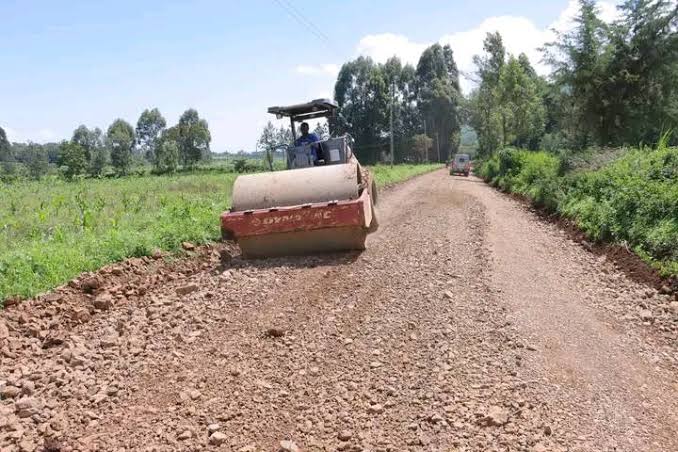
The Carwash–Kibos road corridor therefore becomes more than a dark stretch of road. It becomes a reflection of a city struggling with basic service delivery, where investments are made, but sustainability is not guaranteed; where systems are installed, but not maintained; and where citizens are left to adjust their lives around failure.