By Alex Maina
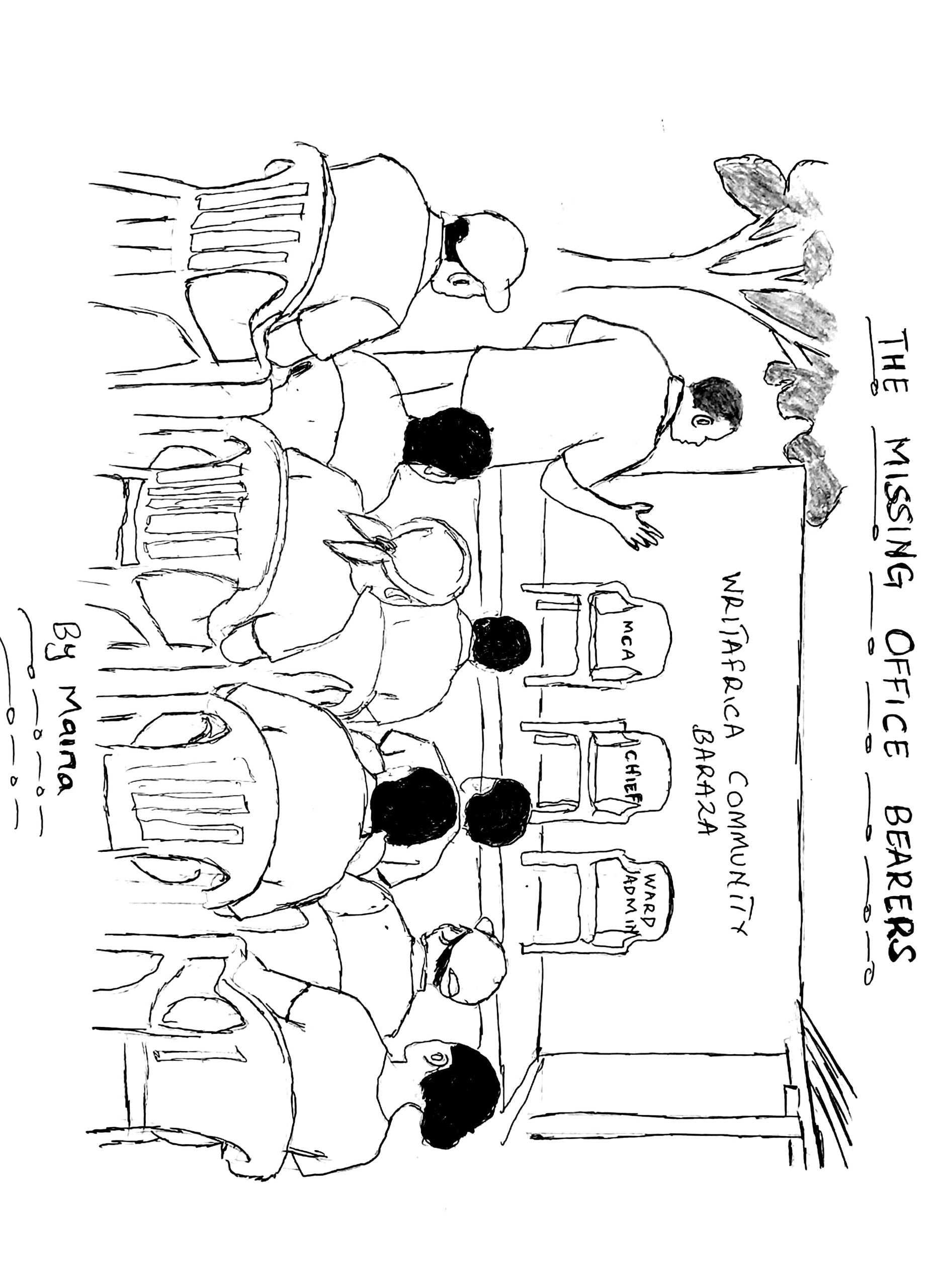
On 15th May 2026, a community baraza held at the Kilimani Chief’s Office in Kambi Thomas brought together residents from Kambi Thomas, Keroka, and Kambi Mwangi in a deeply engaging meeting that reflected both concern and hope for the future of their children.
The discussion opened with a heavy silence as parents described the daily struggle faced by young learners in the area. There is no nursery school, and no nearby primary school within the three villages. Children as young as four or five years old are forced to travel kilometers in search of government structured early learning.
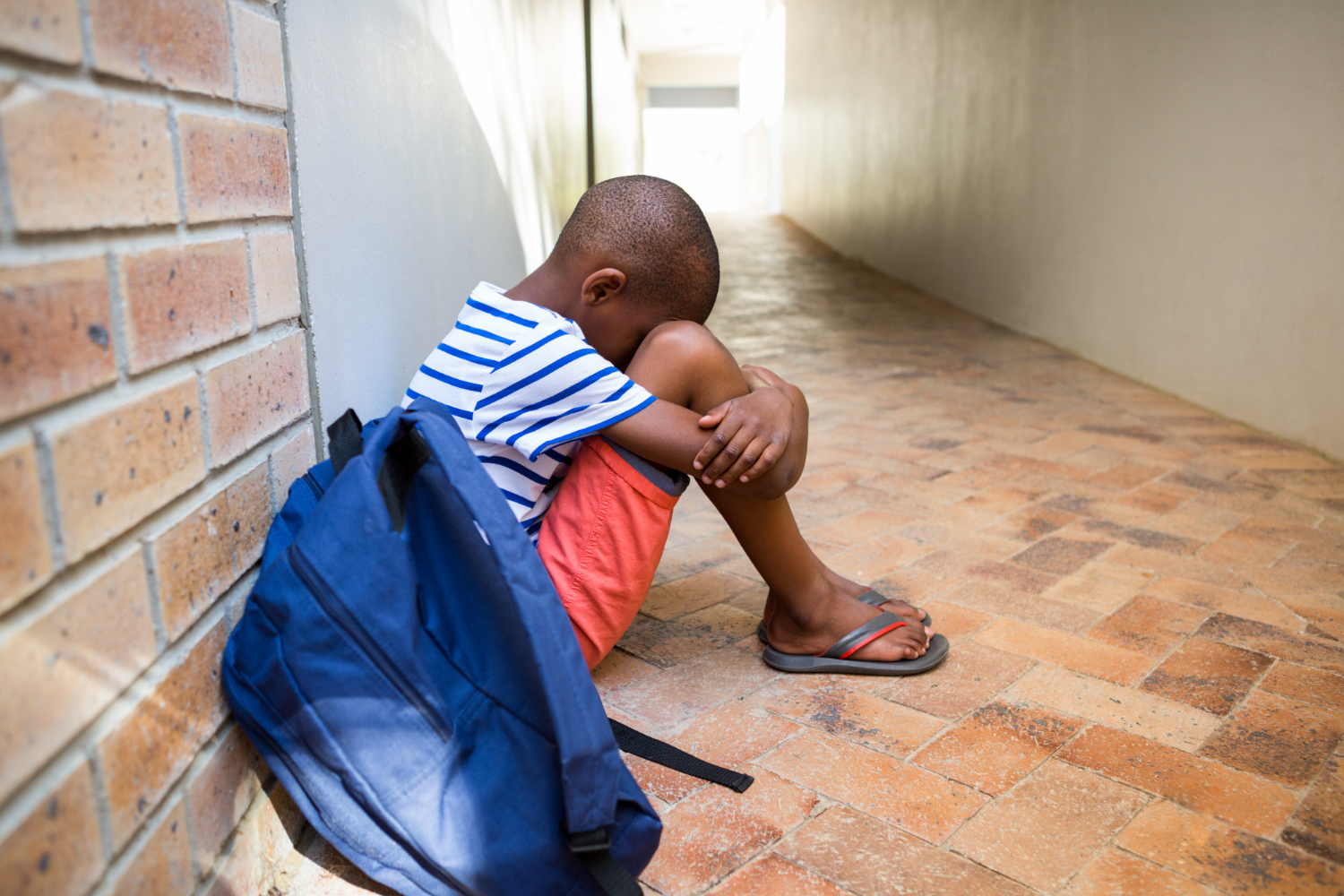
Parents shared painful experiences of children waking up very early in the morning, walking long distances, and in many cases being forced to cross a busy major highway just to reach schools such as Township Primary and Huruma Primary. The thought of such young children navigating dangerous roads every day left many in the room visibly emotional. For some, it is not just about education anymore, but about safety and survival.
Among the voices that stood out was Mama Sarah Wairimu from Kambi Thomas, who spoke with deep concern about what she witnesses daily. She described how children leave home with innocence and hope, only to face exhaustion, danger, and uncertainty on their way to school. Her words reflected the pain of many parents who feel helpless watching their children struggle for something as basic as education.
The conversation took a practical turn when Evans Mulari of Mwanzo Sec CBO reminded the community that solutions must begin with responsibility. He urged residents to first identify land that could be set aside for a school, emphasizing that development cannot happen without space. His message was clear: the community must come together before they can expect external support.
The area chief, Madam Gladys Bitok, added urgency to the matter, calling out landowners in the area to prioritize the future of their own children. She proposed a collective meeting with all landowners to agree on how land can be set aside for public development, reminding everyone that progress depends on unity and shared responsibility.
By the end of the baraza, the mood had shifted from frustration to cautious determination. Residents agreed that the absence of schools was not just an inconvenience, but a crisis affecting the safety and future of their children. Yet within that realization came a shared resolve to work together, identify land, and build a future where no child has to risk their life just to learn.