By Joel Clinton
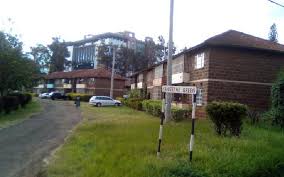
What was once a quiet, green suburb in Nairobi is now at the center of a heated discussion about urban planning, environmental protection, and the future of housing in the city. Woodley Estate, historically known for its spacious homes and lush environment, is undergoing a dramatic change that has left many residents and environmental advocates concerned.
Originally designed as a low-density residential area, a typical compound in Woodley housed one family on about 0.25 to 0.5 acres of land. Almost 80 percent of the land featured grass, trees, and gardens, while only about 20 percent was taken up by buildings. This layout allowed the ground to act as a natural sponge, soaking up rainwater and supporting a healthy urban ecosystem.
However, the landscape is changing quickly. The Nairobi City County government, led by Governor Johnson Sakaja and in partnership with Africa Reit Limited, has launched the 300 Woodley Village redevelopment project on Plot No. Nairobi Block 43/274. This initiative aims to replace the aging townhouses with modern high-rise apartments as part of a broader affordable housing goal.While the project promises more housing units for a growing urban population, critics argue that the scale of redevelopment raises serious environmental and social concerns.
According to project plans, the redevelopment will replace just 43 single-family houses with nearly 2,000 apartment units in the first phase alone. The new buildings are expected to rise between 14 and 16 stories, dramatically changing the skyline of the once-quiet neighborhood.
Urban planners and residents warn that the development could increase the population density by more than 4,000 percent on the same parcel of land. Where the area once supported a few hundred residents, the new development could hold between 8,000 and 10,000 people.
On Sustainability and Infrastructure Needs, Urban planner Jeremiah Ouko emphasizes that, “increased housing density, such as that planned for Woodley, requires careful planning of infrastructure, services, and ecological capacity to avoid overwhelming the local environment.”
Environmental advocates argue that the removal of trees, gardens, and open spaces takes away the natural drainage systems that once controlled flooding. With most of the land now covered by concrete, critics fear that rainwater runoff and waste management could become major issues.
Residents insist that the problem is not about opposing development but about balancing growth with sustainability. “We are not against development, but this kind of construction ignores the environment completely,” said John Mukisya. “Woodley was designed to let the soil, trees, and grass absorb water naturally. When you replace all that with concrete and then bring thousands of people into the same small space, you create flooding, pollution, and unhealthy living conditions.”As Nairobi continues to grow, the debate surrounding Woodley reflects a larger question facing the city: how to provide enough housing while protecting the environment and maintaining livable communities. For many observers, the answer lies not just in building more homes but in planning cities that future generations can safely and sustainably inhabit.