By Wacuka Maina
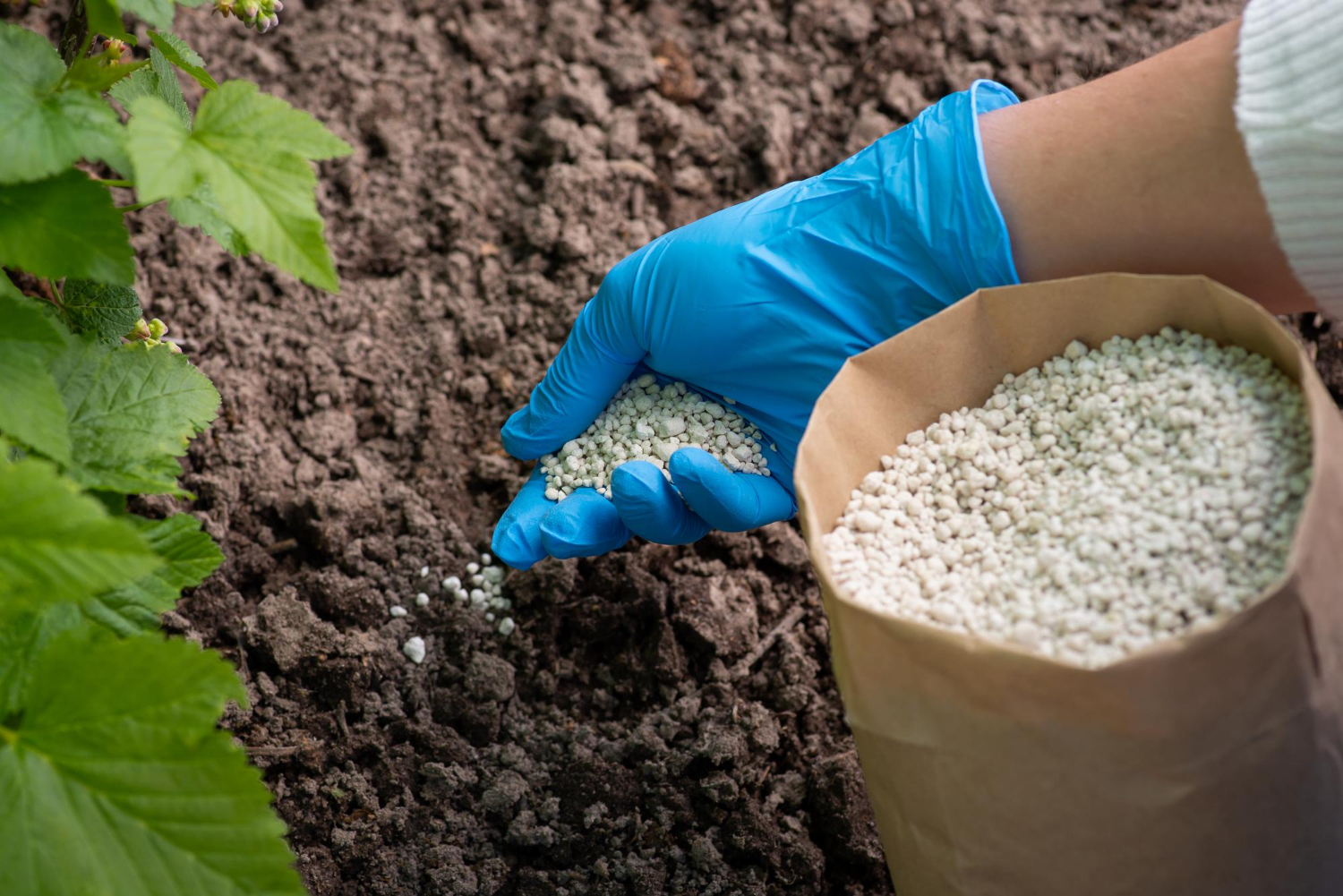
In agricultural counties like Uasin Gishu County, access to fertilizer is essential for farmers preparing for the planting season. The collaboration between the county government and the National Cereals and Produce Board (NCPB) is meant to ensure that farmers receive subsidized fertilizer in time. However, the experiences of many farmers in 2025 exposed serious governance failures that still raise concerns.
Last year, many farmers who had registered for subsidized fertilizer through the government system arrived at distribution points only to find that the fertilizer had run out. Others waited for weeks without receiving any despite being properly registered. For farmers who depend on seasonal rains, such delays can mean missing the planting window altogether, which directly affects food production and household income.
Even more troubling were reports from farmers who did receive fertilizer but later discovered it was substandard. Mr. Kabiu farmer in Kimumu area, reports that “The fertilizer he received last year contained stones, pieces of plastic and even unprocessed cow dung nicely packed. I thought I was among the lucky farmers kumbe it was packs of garbage”. He complained that the fertilizer did not help his crops grow and that this happening destroyed his trust in the government. Framers like Mr. Kabiu were exposed to financial losses in 2025, expose them to financial losses as they had fully relied on the government promise to supply enough and quality fertilizer.
These problems point to weaknesses in oversight, accountability, and supply chain management. When farmers register for subsidized inputs, they expect the system to work transparently and fairly. The presence of fake or adulterated fertilizer in 2025 suggest that monitoring mechanisms were either weak or poorly enforced.
For the 2026 season which is fast approaching, improved coordination and stricter monitoring between the county government and NCPB could help restore confidence. But governance will truly be tested not by announcements and promises being made on newspapers and TV, but by whether farmers actually receive quality fertilizer on time. In farming communities, trust in public institutions grows in the field bag by bag, season by season.