By Joel Clinton
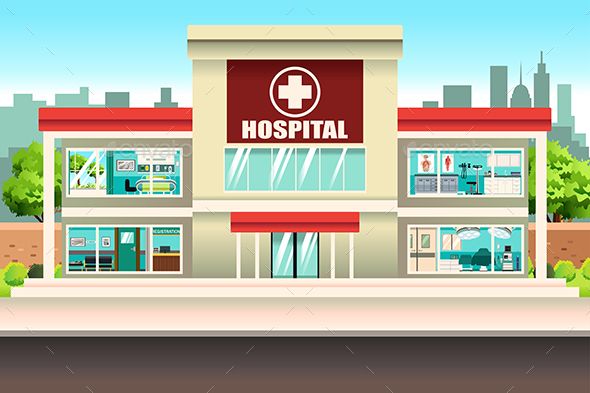
St. Mark’s Lela, also known as Lela Community Hospital, stands quietly at the center of Korando B community. Although its name suggests it is a “hospital,” it actually serves as a Level 3 health center. This means it operates as a primary care facility rather than a referral hospital. It is meant to be the first place for the sick, offering outpatient care, maternal and child health services, lab tests, and pharmacy support. For many families in Lela and nearby villages, this is the only facility they can access without lengthy travel.
Despite its importance, the facility faces a significant challenge every day: there are not enough medicines. A mother rushing in with her feverish child is more likely to receive painkillers instead of malaria tablets, one of the mothers confesses. The doctor can make a diagnosis and write a prescription, but when she approaches the pharmacy window, the answer is almost always the same: “No stock.” Instead, she receives a note listing the essential medicines she must purchase elsewhere.
Outside the hospital gates, hope encounters another obstacle: cost. Local pharmacies charge very high prices for even the most basic drugs. A complete dose of malaria treatment, for instance, costs much more than most families can afford. For households relying on small-scale farming or casual labor, such expenses are unmanageable for many. Many patients leave without buying medicines, risking their health and their lives.
Inside the hospital, health workers share this frustration. One nurse at the facility says, “The county doesn’t supply us with enough medicines, but the community we serve is very large. By mid-month, most drugs are already gone. We end up prescribing medicines that patients must buy outside, and many simply cannot afford them.” Her comments reflect the despair experienced by both staff and patients, trapped in a cycle of shortages.
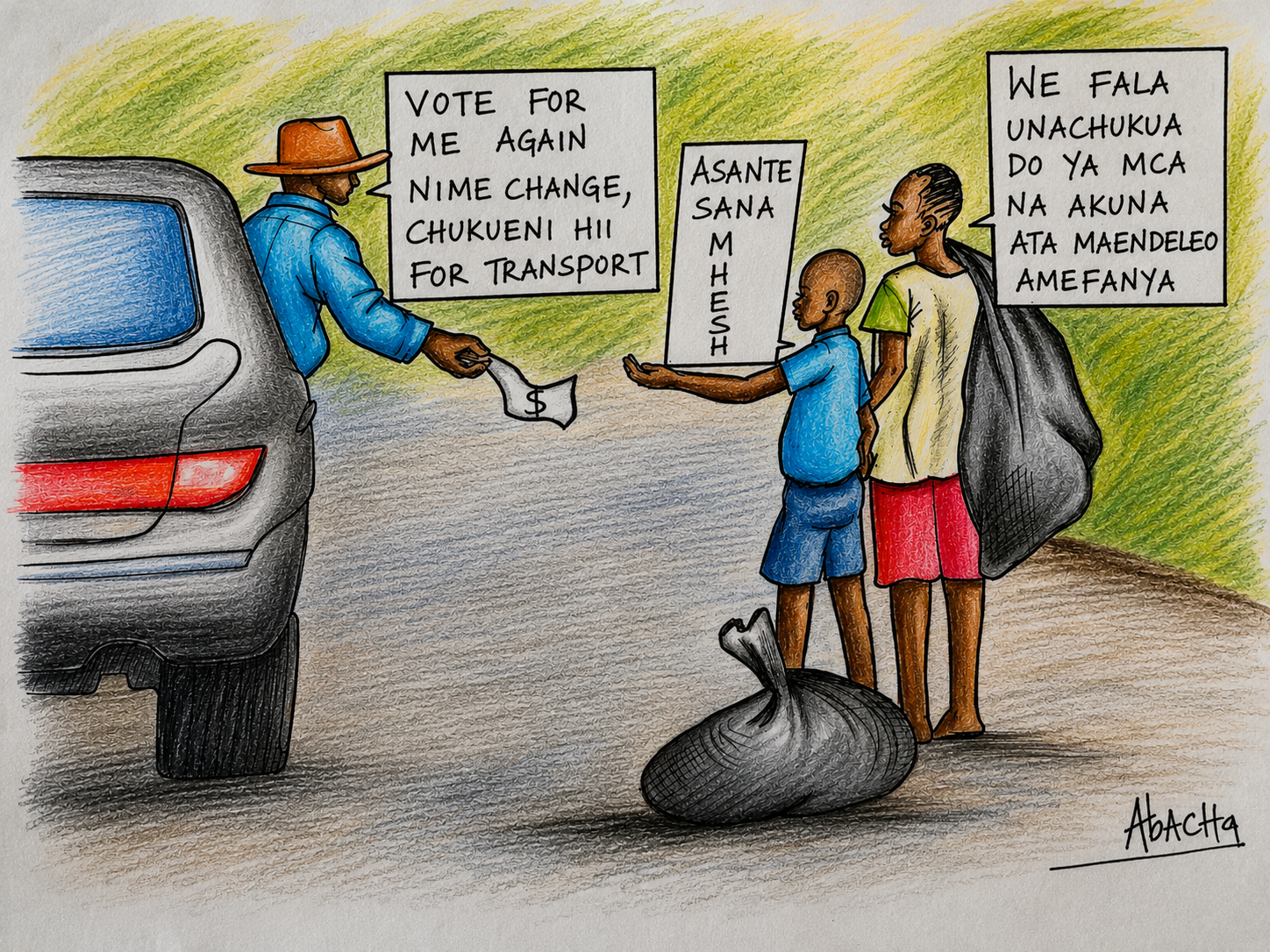
Residents question why a government facility cannot provide the most essential drugs. They recall the political promises made during the campaign period for fully stocked health centers, affordable healthcare, and better insurance. Yet, in Lela, these promises remain unfulfilled. Families still struggle, children fall ill, and mothers carry their babies from clinic to clinic with little support.
St. Mark’s Lela continues to serve, but its shelves often reveal the true situation: rows of emptiness where vital medicines should be. For the people of Lela, the health center is a painful reminder of how far healthcare still is from reaching everyone fairly.