By salwa mahmoud
Lamu stands at the edge of immense possibility, yet its people continue to face limited opportunities despite being surrounded by one of Kenya’s richest marine environments. The ocean that stretches around Lamu is not just a source of beauty; it is a source of wealth, food security, and livelihoods. But year after year, these resources remain underused, leaving the community watching opportunities drift away like tides that never return. The question is no longer whether the blue economy can change lives, but whether the right policies and investments will ever be put in place to make that change real.
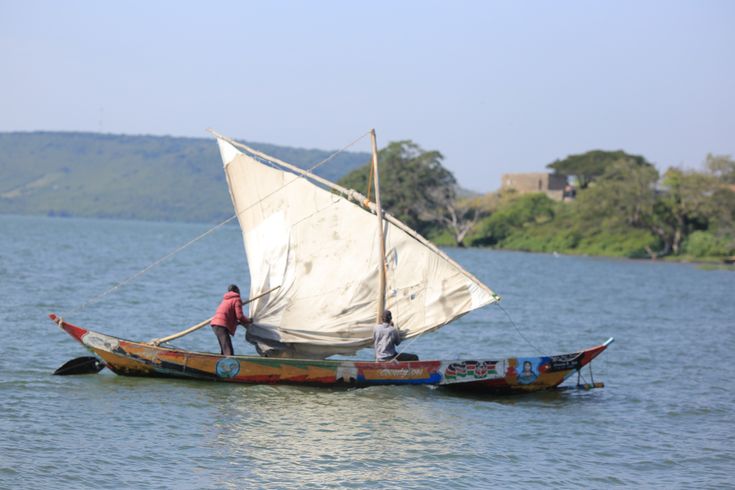
Across Lamu, thousands of young people remain unemployed, while the ocean beside them holds countless untapped ventures such as seaweed farming, aquaculture, fish processing, eco tourism, and mangrove restoration. Yet these industries remain dormant because there is little policy support, inadequate funding, and limited technical training. Small-scale fishers still rely on outdated tools and have little access to modern markets. Without proper storage, they are forced to sell their catch cheaply. Without value addition, they lose the opportunity to earn more. Without training and infrastructure, the community cannot fully benefit from the wealth that surrounds it.
Seaweed farming could transform the lives of women and youth if supported through government programs, cooperatives, and market linkages. Aquaculture could reduce overfishing while creating new streams of income. The mangrove forests that line Lamu’s shores could earn communities income through carbon credits while protecting against climate change. Tourism based on culture and the ocean could create jobs across the islands, from boat operators to local artisans. But these opportunities require vision and policies that prioritize the people who live closest to the ocean.
For too long, discussions around the blue economy have remained on paper. Strategies are written, meetings are held, but the realities on the ground rarely change. Communities still lack access to modern landing sites, preservation equipment, and fair markets. Women who could thrive in seaweed farming or fish processing are left out because of lack of capital or training. Youth with innovative ideas in recycling or eco tourism face endless challenges and bureaucracy. These issues persist because there is no clear policy framework that ensures that the people of Lamu are at the center of the blue economy agenda.
Lamu needs policies that move beyond theory. Policies that build community-owned infrastructure, support cooperatives, and provide incentives for local marine enterprises. There is a need for government-supported credit schemes that serve small-scale fishers and ocean entrepreneurs. Investment in research, training, and modern technology should be brought closer to the people at the village and landing site level. The education system must also integrate marine studies and practical blue economy skills to prepare the next generation for ocean-based livelihoods.
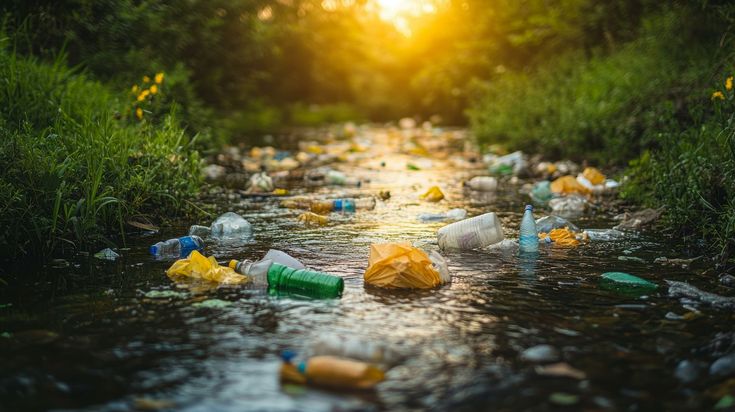
At the same time, stronger policies are needed to protect the environment that sustains these opportunities. Overfishing, pollution, and unplanned development threaten the very resources the community depends on. Proper marine management and sustainable fishing practices must be enforced, but with full participation from local people. The people of Lamu must not be bystanders in managing their own ocean.
The blue economy is not only about business. It is about justice, inclusion, and empowerment. It is about giving communities control over their own resources. It is about turning proximity to the sea into dignity, employment, and prosperity. Without deliberate policies to unlock this potential, the blue economy will remain a distant dream while poverty deepens along the shores of abundance.
The time has come for a new approach, one that shifts power to the people, values traditional knowledge, and invests in the skills and ideas of the youth. The ocean has waited long enough. The people of Lamu have waited long enough. With the right leadership, vision, and commitment, the tide can finally turn and transform Lamu from a place of potential into a true example of blue prosperity for Kenya and beyond