By salwa mahmoud
Agriculture has always been a lifeline for many families in Lamu East, yet the sector continues to receive little attention compared to other parts of the county. While Lamu West, especially Mpeketoni and its surrounding areas, has seen major agricultural investments, modern infrastructure, and government support, farmers in Lamu East still depend on rain-fed farming and traditional methods that barely sustain their livelihoods. The difference between the two regions has grown so wide that it now feels like Lamu East has been left behind in its own county.
In places such as Faza, Pate, Kizingitini, and Kiunga, most residents practice small-scale farming of maize, cassava, cowpeas, and green grams. A few families also grow coconuts, mangoes, and cashew nuts, crops that have supported generations along the coast. But farming here remains a struggle. Rainfall is unreliable, farm inputs are costly, and most farmers still use basic tools. When the rains fail, entire harvests are lost and families are left depending on relief food.
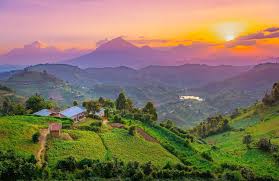
Still, amid these challenges, there are areas in Lamu East that have shown great promise. In Kiunga, for example, villages like Mwadhi and Iraqi have become symbols of resilience and hope. Farmers there have managed to make the most of the little they have by using local knowledge, community cooperation, and determination to produce crops that feed their families and supply nearby markets. These success stories prove that with just a little support, the entire region could flourish.
However, one of the biggest threats to farming in Lamu East comes from wild animals that destroy crops and scare farmers away from their fields. In areas bordering Boni Forest and along remote parts of Kiunga, elephants, monkeys, and other animals often invade farms, wiping out months of hard work in a single night. This constant struggle discourages many families from farming large areas of land, leaving much of the potential farmland unused.
Meanwhile, in Lamu West, large-scale farms and granaries have transformed agriculture into a thriving, organized sector. Mpeketoni has become a model of agricultural success with cooperative societies, mechanized farming, and strong government attention. The contrast is clear: while farmers in the west produce enough for commercial sale, those in the east continue to work hard for survival.
This imbalance is not only unfair but also a lost opportunity for the county. Lamu East has fertile pockets of land, especially in areas around Kiunga, Pate, and Basuba, which could support diverse crops suited to coastal conditions. With fair policies and proper distribution of agricultural resources, Lamu East could contribute greatly to food security, employment, and economic growth across the county.
Farmers in Lamu East also face serious challenges in reaching markets. Poor road networks make it difficult to transport produce from remote villages to trading centers. Storage and processing facilities are limited, forcing farmers to sell their produce cheaply or lose it to spoilage. Agricultural officers rarely visit some of these far-flung areas, leaving farmers without access to new knowledge or technologies.
For agriculture to truly thrive in Lamu East, there must be deliberate action to close the development gap. The county should prioritize improving feeder roads, creating storage facilities, and ensuring that farmers receive quality seeds, farming tools, and training. Access to affordable credit and reliable markets would also help farmers expand their activities and improve their livelihoods.
The people of Lamu East are hardworking, innovative, and patient. For years, they have farmed under tough conditions, often with little help, yet they continue to hold onto hope. What they need now is fairness and a chance to benefit from the same attention and investment that other regions enjoy. Equal support in agriculture would not only reduce poverty and hunger but also give the youth a reason to stay, farm, and build their future in their homeland.
Lamu East should no longer be treated as the forgotten side of the county. It is a land full of potential, waiting to be recognized and developed. The soil is ready, the people are willing, and all that remains is for leaders to act.