By Salwa Mahmoud
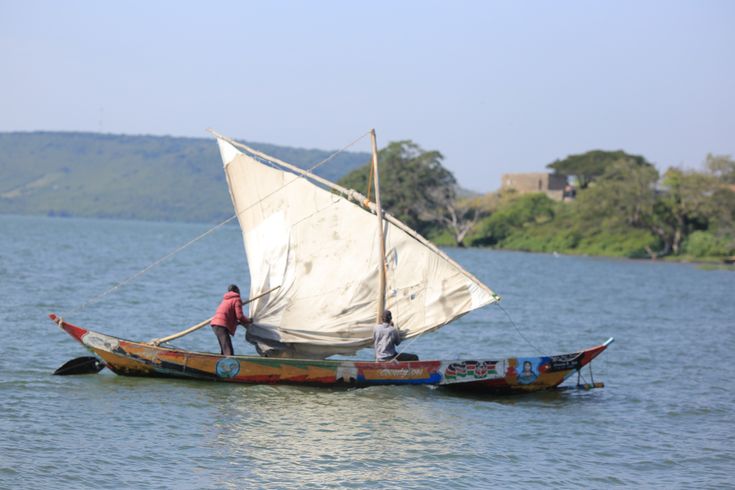
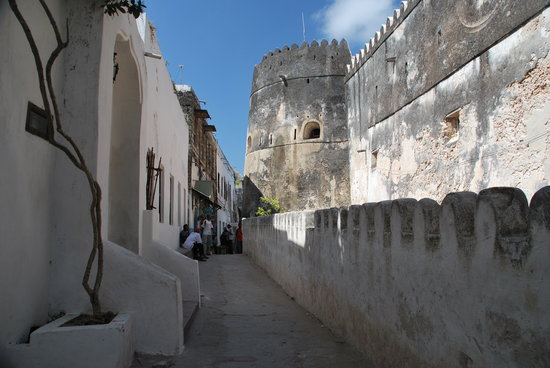
It is a shame, a truth that burns quietly through the narrow streets of Lamu. The town, once praised as the heart of Swahili culture, a world heritage site, a place of beauty and calm, is now covered in the ugly shadow of waste and neglect. The smell of rot rises from open drains, piles of garbage sit behind shops, and plastic floats on the waves that once carried dhows of trade and history. And the most painful part, it is not the government cleaning it. It is the people who came here as visitors who loved Lamu enough to stay.
Across the island, foreigners who became residents by choice have taken it upon themselves to clean what the authorities abandoned. Week after week, they walk the beaches with gloves and bags, collecting plastic, clearing dumps, and doing the work that should be done by the county. They came here for peace, culture, and beauty, only to find themselves cleaning up what neglect had left behind. Out of shame, love, and conscience, they clean the land they did not destroy.
While they clean, those in power continue to speak of tourism and development, as if words alone could hide the dirt. But behind the speeches lies a bitter truth, the Lamu County Government has failed to protect its own heritage. The waste management system is broken. Garbage piles up for days, drains remain blocked, and the historic old town, once the pride of Lamu, has become the face of failure. Meanwhile, leaders are busy supporting their campaigners and doing politics for the coming election, forgetting the mess that lies at their doorstep.
Even with the national policies that ban plastic bags, the problem has not gone away. Pampers, sanitary pads, and other plastic-based waste still flood the environment, choking the land and the sea. Lamu, being one of the most affected areas, suffers deeply from this silent crisis. The community has shifted from using traditional nappies to disposable ones, which are now piling up everywhere. What was once a simple change of lifestyle has become a mountain of pollution. The irony is painful; a national ban exists, yet the waste keeps growing.
And instead of fixing the mess, the government has quietly shifted the focus of tourism away from the old town to Shela, a cleaner, wealthier part of the island where most businesses are owned by foreigners. The visitors who once filled the narrow alleys of Lamu Old Town now go to Shela’s luxury villas and white hotels. The money that used to feed local families now flows into foreign pockets. All because the government failed in its simplest duty, keeping the old town clean.
Tourists complain that the old town smells, that the drains are dirty, that the experience no longer feels magical. Their complaints are valid, but the pain falls on the locals who depend on that tourism for survival. Boat operators, guides, artisans, and shop owners in the old town now watch their livelihoods disappear, not because they stopped working, but because those in charge stopped caring.
“It is not that we do not love our town,” said one young resident. “We just don’t have an alternative or a permanent solution. We clean, we complain, but no one listens. Then we see foreigners doing what we should be doing, and it hurts.”
Those foreigners, now residents, continue to do their part. Their consistency has embarrassed the authorities into slow action. The municipality eventually came out to offer minimal support and promises, but the real damage had already been done. The old town had lost its glory, and with it, its economic lifeline.
Because every time a resident by choice bends to collect a bottle from the sand, the message is clear: Lamu’s beauty still survives, but only because someone else is saving it.