By Yusuff Baishe
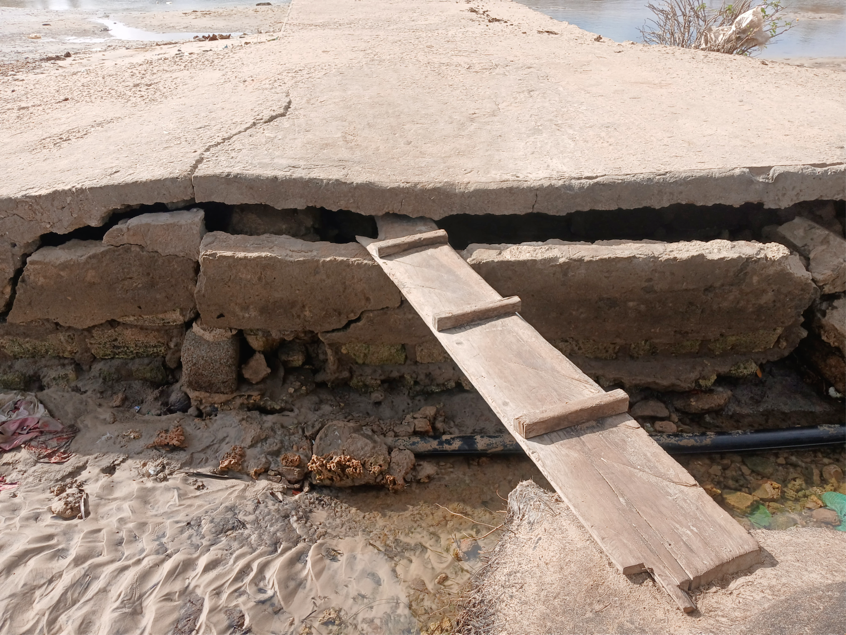
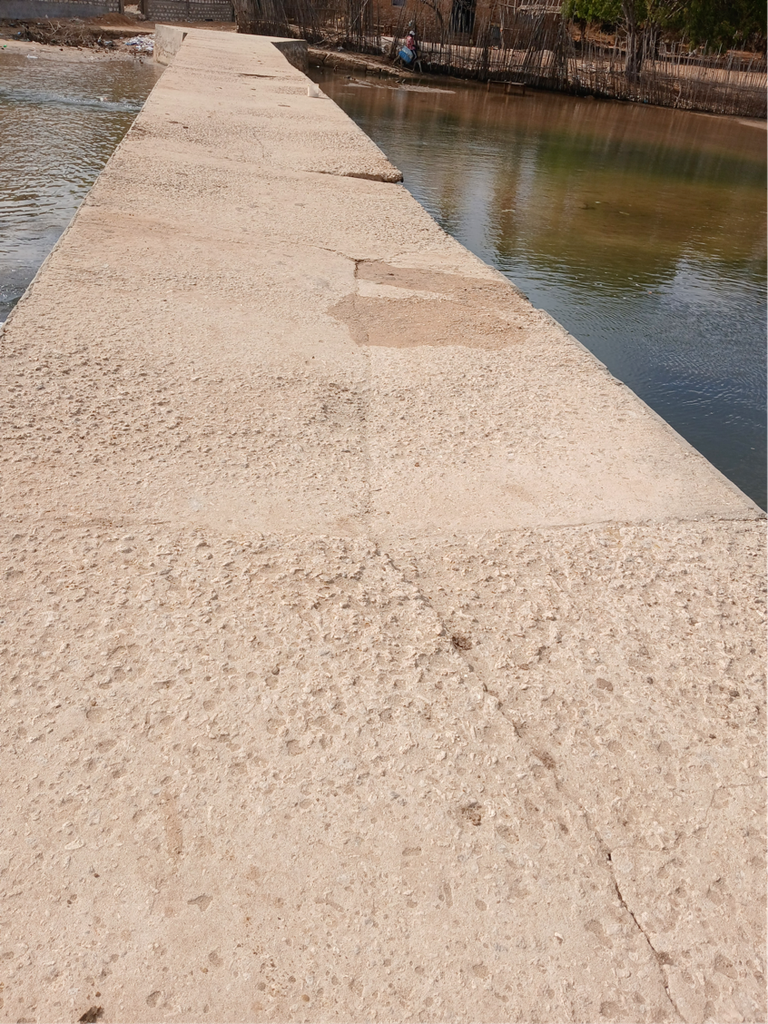
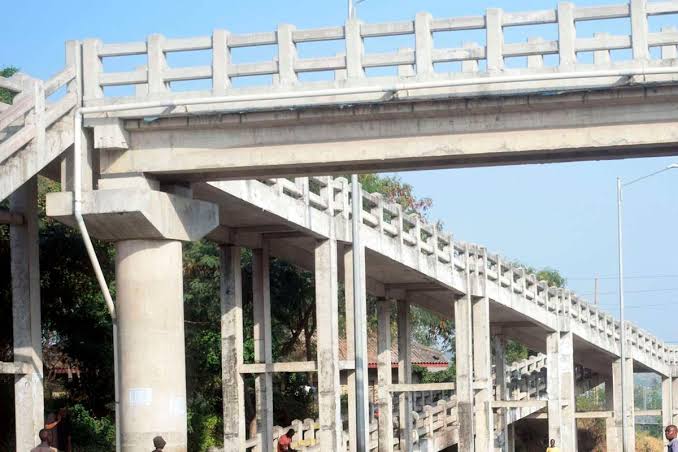
Lamu, Kenya — Frustrations are boiling over in Lamu East as residents continue to risk their lives crossing the deteriorating Mbwajumwali-Mnyabogi footbridge. Despite repeated pleas during public participation exercises, official budget allocations on paper, and intense public debate online, the critical infrastructure project remains ignored.
Digital Outcry Meets Ground Reality
The plight of the bridge recently took center stage online. On Friday, January 21, 2026, Lamu County Budget Facilitator Jaffar Masoud hosted a live stream on TikTok to break down the county budget process.
During the session, as the discussion shifted toward the authenticity and impact of public participation, a participant named Saada highlighted the community’s disillusionment in the comment section. She wrote:
“Kama hapa Mbwajumwali kila tukienda kwenye hizo participation hii bridge hawaibadilishi”
(As for us here in Mbwajumwali, every time we go to those public participations, they never change or fix this bridge).
This sentiment echoes the daily anxieties of local residents who feel their voices are being ignored by decision-makers.
A Vital Lifeline Built in 2006
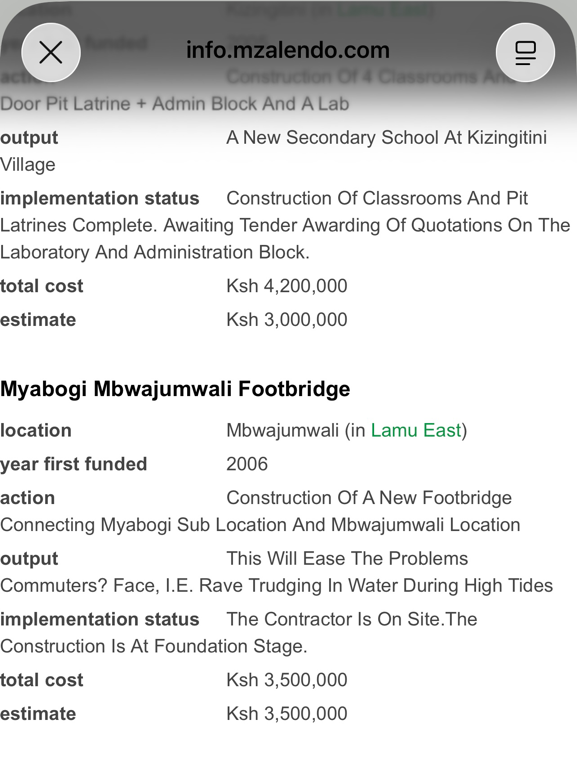
Originally funded under the Constituency Development Fund (CDF) in the 2006 budget at a cost of KSh 3,500,000, the Mbwajumwali-Mnyabogi footbridge was designed to solve several major regional challenges:
- Mitigating Floods & Tides: Spanning a low-lying area prone to seasonal flooding and high tides, it saved residents especially school children, traders, and the elderly—from dangerous wades through deep, risky waters.
- Ensuring Safe Access: It eliminated the hazards of strong currents, slippery mud, and wildlife threats like snakes.
- Boosting Connectivity: The bridge links Mbwajumwali Location and Mnyabogi Sub-Location, securing access to schools, health facilities, and markets.
- Supporting the Local Economy: Traders and farmers rely on it to transport goods safely, improving overall community livelihoods.
Over time, as the area developed, the footbridge even began accommodating local vehicle traffic—a testament to its importance, but also a factor accelerating its structural strain.
Voices of Fear and Frustration
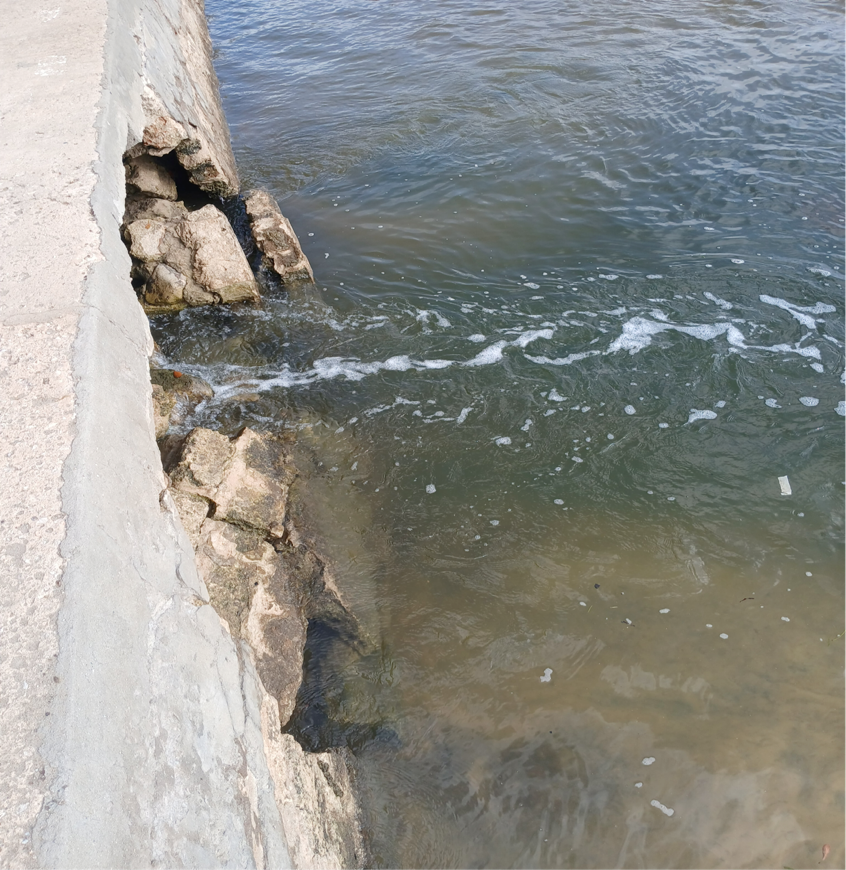
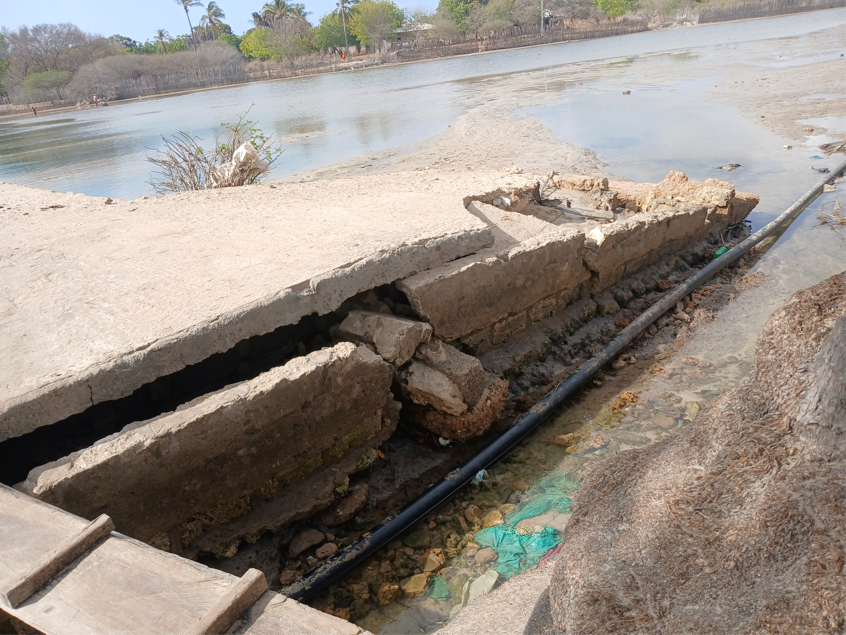
As the bridge’s structural integrity fails, community members live in constant fear of a catastrophic collapse.
Ali Suleiman, a resident of Mbwajumwali, recalled attending a public participation meeting in Faza to champion the bridge as an urgent basic need, yet saw no action taken. “Perhaps others have not seen the situation, but for us, it is a real fear even to use it,” he noted.
An anonymous resident shared: “The bridge is used by many, even animals cross it to reach grazing areas, yet the government has not acted.”
Another local woman added: “Many people are afraid to cross because the bridge may collapse at any moment.”
Adding salt to the wound, residents report that instead of repairing the primary bridge, authorities have shifted focus to constructing a smaller, previously abandoned footbridge located just a few meters away.
The Mystery of the Missing Millions
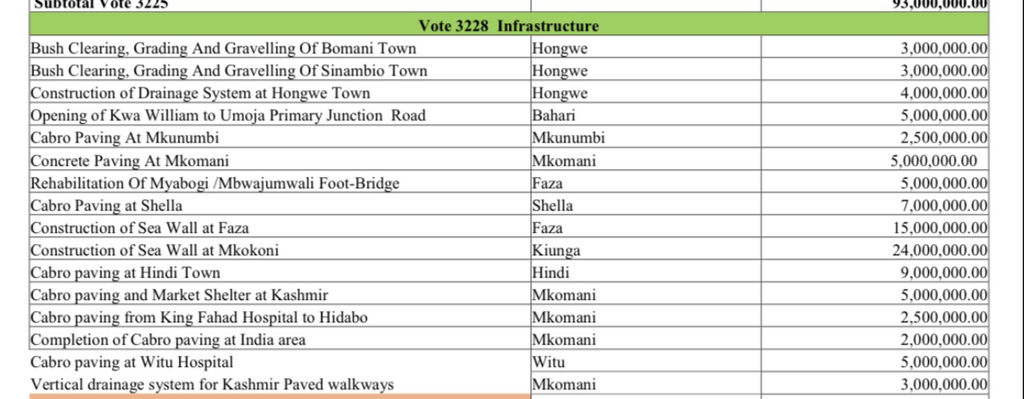
Perhaps the most baffling aspect of this saga is what appears on paper versus what happens on the ground. Surprisingly, in the Lamu County Annual Development Plan (ADP) for 2025/2026 under the Department of Infrastructure (page 57), the county allocated KSh 5,000,000 specifically for the Rehabilitation of Mnyabogi / Mbwajumwali Foot-Bridge. Yet, as the financial year elapsed, the bridge remains completely untouched and dilapidated.
A Race Against Time
With cracks continuing to widen, official funds seemingly unaccounted for on the ground, and residents feeling left out of true public participation, local communities are issuing an urgent call to action. Residents are urging the Lamu County government and relevant leaders to step in immediately and rehabilitate the Mbwajumwali–Mnyabogi footbridge before a preventable tragedy occurs.