By Joel Clinton
The morning sun cast a golden glow across the Kikuyu Escarpment as crowds gathered. Excitement buzzed in the cool highland air. Today was no ordinary day; history was being made on the rugged slopes that had long tested drivers, weighed down transporters, and slowed the country’s economy.
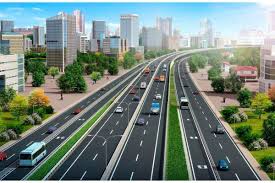
With the roar of heavy machinery and the flutter of the national flag, the launch of the dualing of the 175km Nairobi, Mau Summit Road and the 58km Nairobi, Maai Mahiu, Naivasha stretch marked the start of a transformative journey. This Ksh 200 billion project, unveiled by H.E. President William Samoei Ruto and implemented by the Kenya National Highways Authority, promised to change not just the road but also the story of regional connectivity.
For decades, the Northern Corridor had been a lifeline. It connected Mombasa Port to Western Kenya, Uganda, Rwanda, South Sudan, and beyond. Still, its narrow bends, steep hills, and heavy congestion often turned it into a source of frustration. Accidents were frequent, delays were inevitable, and economic losses were painful.
But on this day, optimism overshadowed all past struggles.
As the President addressed the nation, bulldozers behind him were ready to break ground. He described a future where travel between Nairobi and the West would be smoother, safer, and significantly faster. The crowd erupted in cheers, sensing the importance of what lay ahead. This was not just a road; it was a gateway to opportunity.
Images from the site captured the spirit of progress: engineers surveying the land, residents lining the roadside, helicopters hovering above, and a vast stretch of tarmac showing what had already been achieved in earlier phases of development.
Local traders spoke excitedly about the potential for increased business. Transport companies anticipated lower fuel costs and quicker turnaround times. Youth envisioned job opportunities—construction today, logistics and industry tomorrow. Communities along the corridor imagined a rise in investment, tourism, and safer mobility.
The dualing project, expected to be completed in two years, promised to change the game. It would promote trade, strengthen regional ties, and solidify Kenya’s role as East Africa’s economic engine.
As the bulldozers roared to life and dust rose over the escarpment, everyone present understood that the Northern Corridor would never be the same again.