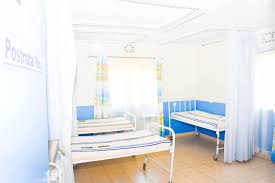
For years, Nyalenda’s mothers have walked a difficult journey…literally. In this densely populated informal settlement, expectant women have often been forced to travel long distances to access maternity services. Many rely on overcrowded facilities such as Jaramogi Oginga Odinga Teaching and Referral Hospital or Kisumu County Hospital, where long queues, delayed attention, and financial strain from transport remain constant challenges. In emergencies, that distance becomes a matter of life and death.
That is why the new maternity wing at Nyalenda Health Centre is more than brick and mortar. It is a long-awaited breath of relief. The ongoing construction, now in its final stages, marks a major step forward for a community that has been underserved for decades despite its large population and high maternal health needs. Nyalenda is home to thousands of young families, yet it has never had a fully equipped maternity unit within walking distance. Many women have given birth on the way to hospital, inside Tuk-tuks or on bodas, or delivered under unsafe conditions at home simply because the nearest facility was too far or too expensive to reach. For a place that contributes so much vibrancy and labour to the city, this gap in healthcare has always been a silent injustice.
The new maternity wing finally starts to close that gap. Once operational, it is expected to offer skilled delivery services, postnatal care, basic emergency obstetric support, and a safe, dignified space for mothers and newborns. This will mean fewer preventable complications, quicker response during emergencies, and a reduction in the economic barriers that push women away from proper care. It means dignity for mothers who have waited too long for a facility that sees them, values them, and attends to them close to home.
But as much as this project is a win, it also raises important governance questions that cannot be ignored. A maternity wing requires more than a finished building; it needs qualified midwives and nurses, essential supplies, medicines, proper equipment, and consistent county funding for operations. Kenya has seen many county health projects stall after completion because of staffing shortages, delayed procurement, or lack of maintenance. Nyalenda cannot afford to become another statistic in that long list of idle or underutilized health facilities.
If this maternity wing is to succeed, the county must ensure that its opening is followed by sustained investment…not just a ribbon-cutting ceremony. The community must be involved in demanding accountability, tracking progress, and ensuring that the facility remains functional, equipped, and responsive to its growing population.
Still, this moment deserves celebration. For the mothers of Nyalenda, the maternity wing is a promise finally taking shape: a safer birth, a closer facility, and a future where healthcare is not a privilege but a right. For Kisumu County, it is a reminder that meaningful development is felt most where life begins…in the health and dignity of its people.