By Alex Maina
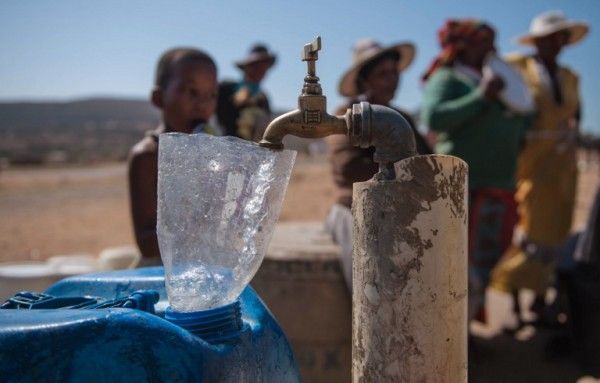
Water, just like food, is a basic need. But for the people living in Bondeni and Kambi Teso, getting clean water is a daily struggle. There are no working taps nearby, and water kiosks are far. Every day, women and children walk long distances carrying jerrycans, just to get enough water to survive.
During the rainy season, life becomes a bit easier. “When it rains, we thank God,” says Mama Achieng, a resident of Bondeni. “We place buckets and basins outside to collect rainwater. We store as much as we can, because we don’t know when we’ll get water again.”
But when the rain stops, the real suffering begins. People turn to small streams that flow through the area. At these streams, you’ll find women and children bent over, scooping water into containers. The water is not clean, but they have no choice.
Mama Chebet from Kambi Teso shares her experience. “I wake up at 5 am and leave my house with two jerrycans. I walk nearly an hour to reach a small stream. When I arrive, I find many women already there. We all wait for our turn. Sometimes I wait for two hours. And when I finally get water, I’m already tired, but my work at home has just started.”
She sighs and adds, “One jerrycan is not enough, but I can’t carry more. I still have to cook, wash, and take care of my children. And the water I get is not even clean. But what choice do I have?”
Mama Achieng continues, “The drinking water, we buy. It’s expensive, but we try. The water we fetch from the streams we use for cleaning, washing, and bathing. Sometimes, it gives us skin rashes, but we can’t stop using it.”
Another resident, Wycliffe, adds, “It’s painful to live like this in this day and age. We’re not asking for too much just clean water close to our homes. A simple water tap could change everything for us.”
The community believes that water kiosks or tapped water systems should be brought closer. Not only to ease their burden but to protect them from waterborne diseases and the physical toll of walking daily with heavy jerrycans.
Water gives life. But in Bondeni and Kambi Teso, it’s the lack of it that defines daily life. Unless things change, families will continue to depend on the mercy of the sky.