By Salwa Mahmoud | Write Africa
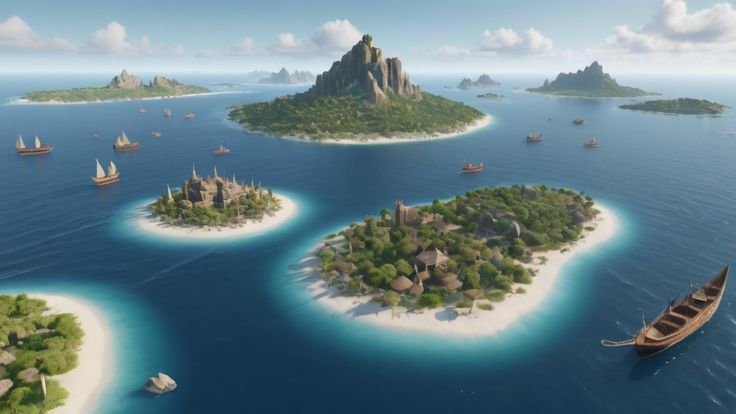
Life in Ndau and Kiwayu Islands in Lamu East looks peaceful from a distance. Calm waters, blue skies, and quiet beaches. But beneath that beauty lies deep suffering. The same sea that gives them life has become their biggest curse. It has locked them in, cut them off, and turned their daily existence into a painful fight for survival.
There are no public means of transport. None. Not even one reliable boat that serves everyone equally. The people depend entirely on private boat owners who decide when to travel, how much to charge, and whether to go at all. Movement is not freedom here. It is a privilege bought at a painful cost.
From Kiwayu to Lamu Island a private boat owner charges 2500 shillings. That same amount can take someone from Lamu to Nairobi by bus. But here it only covers a short stretch of sea. People pay that much just to move, and even then, nothing is guaranteed. If the sea turns rough no one moves. The boats stop. The people wait. The sick wait. The students wait. Life stands still. It is torture.
The high cost of transport has turned every part of life into a struggle. A mother who needs to buy food must think twice. A fisherman who wants to sell his catch must first count the cost of the boat. Even a simple family visit becomes a heavy burden. People stay home not because they want to but because they cannot afford to move.
When someone falls sick the pain becomes unbearable. Families must find a private boat and pay heavily to get the patient to the mainland hospital. And if the sea is rough they are stuck. The ambulance is there yes, but it cannot operate when the waves grow wild. Many have died waiting. Others suffer in silence caught between sickness and the sea.
Businesses are breaking under this weight. Fishermen lose income because their fish rot before reaching the markets. Traders who bring goods from the mainland are forced to pay huge amounts for transport, and that cost is pushed back to the people. A bag of sugar, maize flour, or cement costs double.
As people elsewhere buy a packet of milk for 50 or 60 shillings, in Ndau and Kiwayu it costs 80 or even 100 shillings. The reason is simple. The private boat owners charge too much. Traders increase their prices to survive, and the poor end up paying more for basic needs. The people are punished for living on islands.
The suffering does not stop there. Children miss school because there is no boat. Parents miss emergencies. Families miss funerals. Some people have never even seen other parts of Lamu because the cost of travel is too high.
Even tourists avoid these islands. Kiwayu for instance is a paradise. Golden sand dunes, a clear blue ocean, a breathtaking beach that could bring life and jobs to the community. But tourists never make it there. Hiring a private boat is painfully expensive. Many give up and only visit Amu Island before leaving. The locals watch opportunity sail away again and again.
The people of Ndau and Kiwayu feel forgotten. They see roads being built elsewhere, towns growing, and development spreading, but for them nothing changes. Their lives depend on the mood of the sea and the mercy of a boat owner.
And this is where the county government should step in. The people have waited too long. This is not a problem without a solution. The county can change it. A simple project could transform everything. Two boats. One leaving Lamu for Kiwayu through Ndau and another leaving Kiwayu for Lamu. Every day. Morning and evening.
This would connect lives, not just islands. It would create jobs, boost trade, open the door for tourism, and finally give the people a reliable means of movement. No more waiting. No more begging. No more fear.
Such a project is not too ambitious. It only needs political will and care for human life. The people of Ndau and Kiwayu have endured enough. They are not asking for luxury, only dignity. They deserve to move like everyone else, to live without being held hostage by the sea.
Until that happens these islands will remain trapped. The sea will keep them isolated, poor, and forgotten. The waves will keep whispering the same painful story of a people surrounded by water but abandoned by leadership.
They do not ask for sympathy. They ask for justice. They ask to be seen. They ask for a way out of the water that surrounds them, a way that does not cost them their future.