By Joel Clinton
River Saka snakes its way from the mountain ranges of Akingli, through Kodiaga Maximum Prison, past the lush farmlands of Upper Korando A, and gliding through Otonglo village before finally emptying into Lake Victoria. For the people living along its banks, River Saka is their main source of water..
Villagers from Otonglo to Lower Kotetni rely heavily on the river. They use its waters for washing clothes, irrigating farms, cooking meals, and watering livestock. With tap water rates unaffordable for many, River Saka remains their only dependable source of water. But it is under threat.
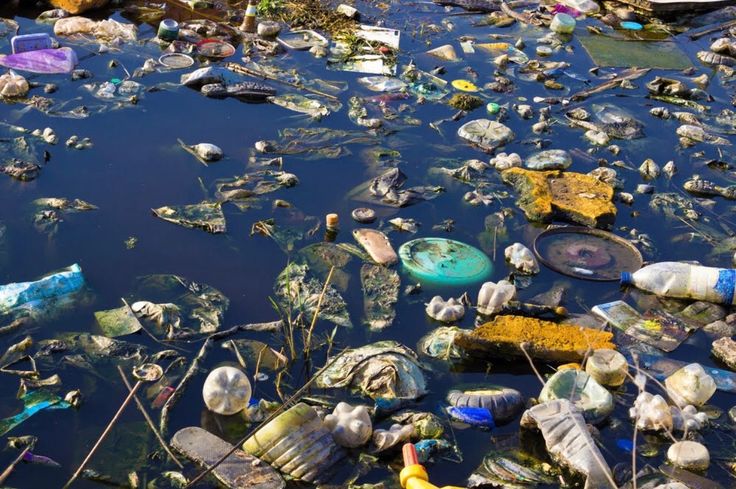
According to residents, the nearby Kodiaga Maximum Prison occasionally releases untreated sewage directly into the river. The murky water, once clear and full of life, now carries an ominous stench downstream. What used to be a symbol of sustenance is slowly becoming a source of disease.
Obiero, a respected village elder from Otonglo, has raised concerns countless times. “We have held barazas, written letters, and even gone to the prison’s administration,” he explains. “But nothing changes. Every few weeks, they open their outlets and let the waste flow into the river. Our children bathe in this water. Our animals drink from it. This is a disaster in the making.”
Villagers report increased cases of stomach illnesses, skin infections, and a rise in unexplained livestock deaths. Parents worry about their children falling sick after swimming in the river. Still, for most, there’s no alternative; piped water is too expensive, and boreholes are few and far between.
The local health authorities have acknowledged the risks but say enforcement is difficult without political will and community support. Meanwhile, the people of Upper Korando A and Lower Kotetni are left with a difficult choice: risk their health or go without water.
“We just want them to treat their waste before releasing it,” Obiero pleads. “We are not asking for much, just for our right to clean water, and to protect our children and animals from getting sick.”
Until meaningful action is taken, River Saka continues to carry untreated waste downstream.